
Babingtonia
Babingtonia
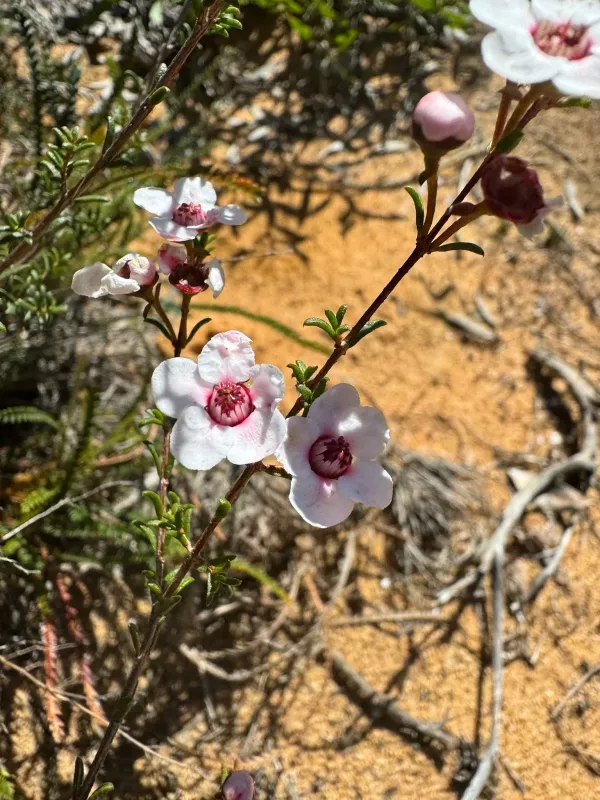
Description
Growing requirements
Babingtonia is a genus of evergreen shrubs belonging to the Myrtaceae family. These plants, native to Australia, are highly regarded in horticulture for their delicate foliage and profuse flowering habits.
The plants thrive in well-draining, nutrient-rich soils. Given their botanical origin, they perform best in sunny, well-ventilated conditions where excessive moisture does not build up around the root system.
Cultivation requirements include a consistent temperature regime and high solar irradiance. Because the genus is sensitive to frost, it is often kept in containers to allow for relocation during colder seasons.
Regular pruning is an essential horticultural technique for this species, as it encourages dense branching and improves the overall aesthetic value of the shrub for commercial display.
Economically, Babingtonia is primarily used in the ornamental nursery industry. Its unique essential oils and aesthetic structure make it a niche product for landscaping and interior floral design.
Main diseases and pests
The most common threats to Babingtonia health are related to fungal pathogens, which proliferate in poorly drained soils or environments with stagnant air circulation.
Root rot is the primary physiological and pathological risk, often triggered by over-irrigation or lack of proper soil aeration, which compromises the root health.
Pests such as spider mites and mealybugs present significant challenges, particularly in greenhouse environments where they can spread rapidly across the plant collection.
Effective management requires integrated pest control strategies, including the use of targeted acaricides and strict hygiene practices within the nursery or garden area.
Proactive care involves monitoring for discoloration or wilting and taking immediate action to improve environmental conditions, such as adjusting irrigation and humidity levels.