
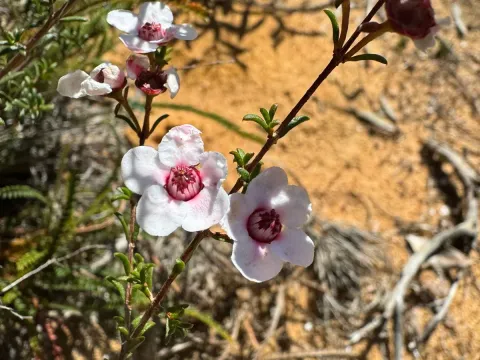
Babingtonia
Babingtonia Lindl.
Babingtonia is a genus of evergreen shrubs belonging to the Myrtaceae family, native to the diverse landscapes of the Australian continent.
What the section contains

Babingtonia
The plant is known for its elegant foliage and prolific flowering, making it a highly valued specimen for gardens and ornamental landscaping.
To thrive, Babingtonia requires well-drained, sandy or gravelly soil, as it is highly susceptible to root rot if the roots are kept in waterlogged conditions.
It prefers a location with full sunlight to partial shade, providing the environment is protected from harsh, cold winds that can damage the delicate branches.
Agronomic management involves maintaining the soil pH within a slightly acidic to neutral range and ensuring adequate airflow around the plant canopy.
The primary threat to the health of Babingtonia is the presence of pathogenic soil fungi, which often manifest during periods of excessive soil moisture.
Careful attention must be paid to drainage systems, as improper water management is the most frequent cause of mortality in cultivated specimens.
Pests, particularly mites and scale insects, often infest the foliage, leading to chlorosis and the weakening of the plant's overall vigor.
Control strategies involve the systematic application of horticultural oils or targeted insecticides to eliminate pests before they create severe damage.
Proactive maintenance includes removing dead wood and thinning the canopy to promote internal air circulation, which helps suppress fungal outbreaks.