
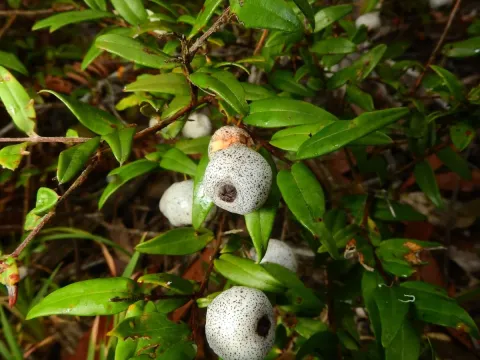
Austromyrtus
Austromyrtus (Nied.) Burret
Austromyrtus is a genus of shrubs and small trees belonging to the Myrtaceae family. Native to Australia, these evergreen plants are appreciated for their ornamental value and their ability to thrive in warm, humid subtropical environments.
What the section contains

Austromyrtus
The plant requires well-drained, fertile soil with a slightly acidic to neutral pH. It is highly sensitive to waterlogging, making proper drainage systems essential, particularly when cultivating the plant in pots or managed agricultural settings.
Austromyrtus prefers locations with full sun or partial shade. In temperate climates, the plant must be provided with winter protection or kept in greenhouses, as it cannot withstand frost, which can cause severe damage or death to the plant tissue.
Agricultural management involves consistent watering during the growing season and maintaining optimal air humidity. During dry spells, monitoring soil moisture levels is critical to prevent root dehydration, which negatively affects the plant's overall vitality.
Regular pruning is an essential part of the care routine to shape the canopy and encourage new growth. This practice promotes better light penetration and enhances the production of delicate white flowers during the summer months.
The economic value of Austromyrtus lies primarily in its edible fruit, which offers a unique, spicy flavor profile. Yields are maximized by ensuring adequate sunlight exposure and applying balanced mineral fertilizers throughout the active growth phase.
The primary threats include fungal diseases caused by poor air circulation and excessive humidity. Proper spacing between plants and regular sanitation practices are the most effective methods to manage risks such as powdery mildew or root rot.
Harvesting is performed manually as the berries reach maturity and exhibit their distinct color. Care must be taken during the process to avoid bruising the delicate fruit skin, which is crucial for maintaining post-harvest quality and marketability.