
Angophora
Angophora
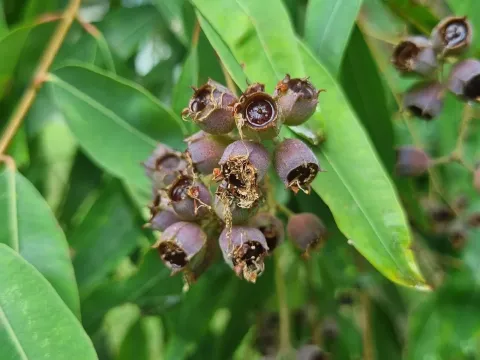
Angophora is a genus of evergreen trees and shrubs belonging to the Myrtaceae family. Closely related to the Eucalyptus genus, these plants are known for their distinct woody fruits, opposite leaves, and beautiful peeling bark that gives them a unique appearance in landscape design.
What the section contains

Angophora
Native to eastern Australia, Angophora species thrive in well-drained, sandy, or rocky soils. They are naturally adapted to warm climates and high light intensities, making full sun exposure a critical requirement for their healthy growth and development in cultivation.
Watering requirements for Angophora are moderate; while they possess some drought tolerance once established, they need consistent moisture during the early stages of development. It is vital to avoid waterlogged conditions, which can lead to severe root damage and decline of the plant.
Temperature management is a primary concern for growers outside their native range, as most Angophora species are not frost-hardy. They are best suited for greenhouse environments or regions where temperatures remain consistently above freezing, ensuring their survival and long-term health.
Maintenance, including light pruning, helps to manage the tree size and encourage a denser canopy structure. Proper care also involves monitoring soil pH, as these plants generally prefer slightly acidic to neutral soil conditions to optimize nutrient uptake from the substrate.
The primary threats to Angophora include fungal infections primarily induced by high humidity and poor air circulation. Root rot is a common issue when drainage is inadequate, often resulting in sudden wilting and the eventual death of the tree if left untreated.
Pests such as scale insects and mealybugs are frequent attackers that feed on the sap of young stems and leaves. These infestations can weaken the plant, cause leaf yellowing, and provide entry points for secondary pathogens if not managed with appropriate insecticidal treatments.
Leaf-feeding insects may cause aesthetic damage but are generally less destructive than sap-sucking parasites. Vigilant inspection of the undersides of leaves and stems is essential for early detection, allowing for effective control before the pest population spreads significantly.
Nutritional stress, often caused by poor soil quality or incorrect fertilizer application, makes the trees more susceptible to environmental diseases. A balanced fertilization program tailored to the specific nutrient needs of Myrtaceae family members is recommended for robust growth.
Preventative cultural practices, such as maintaining cleanliness around the root zone and ensuring adequate ventilation, are key to protecting Angophora. By minimizing stress factors, the plants can better resist common diseases and maintain their vibrant, evergreen appearance.