
Asteromyrtus brassii
Asteromyrtus brassii
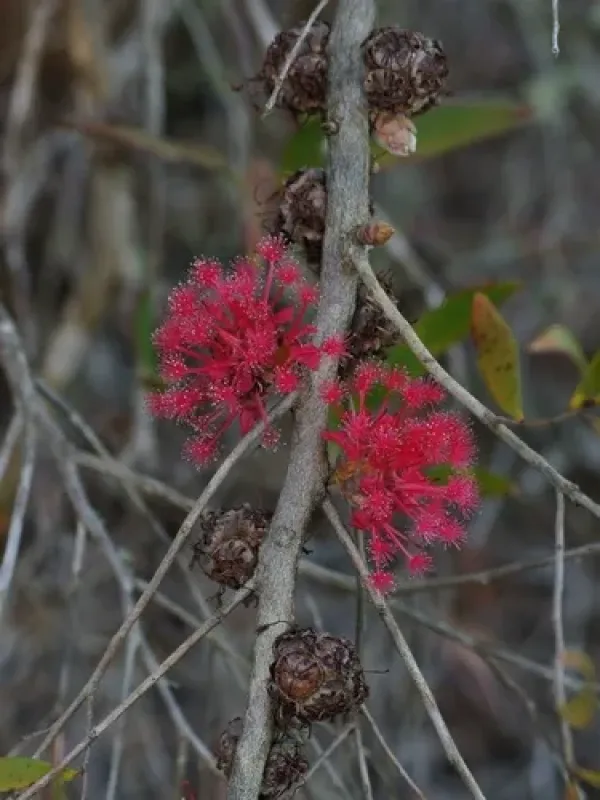
Description
Growing requirements
Asteromyrtus brassii is a unique evergreen species belonging to the Myrtaceae family. Native to tropical environments, it is characterized by its specific adaptation to high-humidity habitats and acidic, well-draining soils. The plant features leathery, oil-rich foliage typical of the Myrtle family.
Successful cultivation requires a stable microclimate with temperatures consistently between 20°C and 25°C. The plant thrives in bright, filtered light and is highly sensitive to direct, harsh sunlight which can cause significant foliar damage. Providing a consistent light environment is key to maintaining vigorous growth.
Soil requirements involve a substrate rich in organic matter with an acidic pH range. The root system is delicate and prone to damage from both excessive dryness and anaerobic conditions caused by waterlogging. A proper drainage layer is essential for containers and greenhouse beds alike.
Watering frequency should be adjusted based on the substrate moisture level rather than a fixed schedule. During the active growth season, maintaining high ambient humidity is crucial, often requiring the use of misting systems to prevent the leaves from drying out or developing brown tips.
Fertilization practices for Asteromyrtus brassii should focus on slow-release nutrients with a balanced NPK ratio. Avoid excessive nitrogen, which can lead to weak growth and increased susceptibility to pests, and ensure micronutrients are available to support healthy leaf development.
Main diseases and pests
Pest pressure on Asteromyrtus brassii is primarily dominated by spider mites and mealybugs. Spider mites thrive in environments where humidity levels fluctuate or drop too low, necessitating regular monitoring of the leaf undersides to detect initial colonies early.
Root rot, often associated with pathogens such as Phytophthora, represents a major threat in greenhouse cultivation. This is almost exclusively linked to poor drainage or overwatering. Once established, systemic fungicides and immediate soil aeration are required to mitigate the damage.
Fungal leaf spot diseases may occur when leaves are kept wet for extended periods or when air circulation within the greenhouse is insufficient. Improving ventilation and strictly avoiding overhead irrigation are the most effective preventive measures against these infections.
Mealybugs tend to accumulate in leaf axils and on younger stems, drawing sap and weakening the plant structure. Integrated pest management, including the use of horticultural oils or systemic insecticides, is recommended to control these populations without harming the plant's overall health.
Routine inspection of the root ball and foliage is the best defense against long-term decline. Keeping the growing area free of debris and ensuring proper sanitation of tools help prevent the spread of pathogenic spores that can be detrimental to the species' development.