
Angophora hispida
Angophora hispida
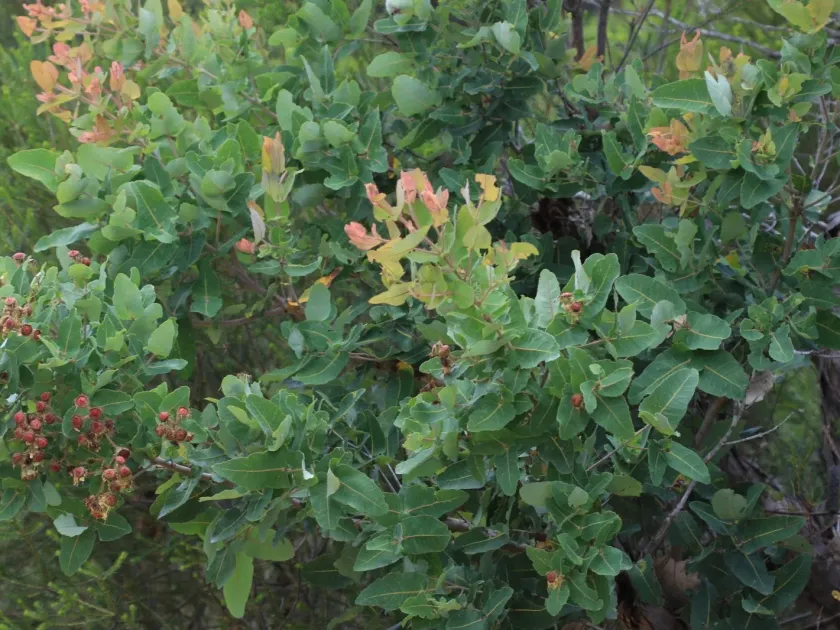
Description
Sowing dates
Propagation of Angophora hispida is primarily achieved through seeds. Sowing is best carried out in late winter or early spring in a protected environment with stable soil temperatures around 20-22 degrees Celsius.
Seeds should be sown in a light, well-draining substrate consisting of a mixture of sand and peat. It is critical to provide moderate moisture, avoiding waterlogging, which is detrimental to young seedlings during their early growth stages.
The germination process can be uneven and may take anywhere from three to six weeks. Once the seedlings develop two pairs of true leaves, they should be carefully pricked out into individual containers for further development.
Transplanting into open ground or permanent pots is only feasible after the risk of spring frosts has completely passed. Choose a location with maximum exposure to direct sunlight for the young plants.
As the plant is slow-growing, the root system development stage requires regular but controlled irrigation, ensuring the survival of the seedling without exposing the roots to potential decay.
Growing requirements
Angophora hispida, a member of the Myrtaceae family, is native to the eastern coastal regions of Australia. It thrives in sandy or rocky soils typical of coastal habitats and exhibits high tolerance for nutrient-poor substrates.
The species is a light-demanding plant, requiring open and well-lit areas to ensure full crown development and prolific flowering. In conditions with insufficient light, branches become leggy, and flowering intensity significantly decreases.
While the plant is adapted to moderate climates, it is highly sensitive to freezing temperatures. In colder regions, it must be grown in containers and moved to a cool, bright indoor space during the winter months.
The soil should have a slightly acidic to neutral pH. High-quality drainage is essential, as stagnant water near the root collar is a primary risk factor for the development of crown and root rots.
During the active growing season, Angophora requires regular but moderate fertilization with low-phosphorus mineral fertilizers, reflecting the plant's evolutionary adaptation to the poor soils of its native range.
Main diseases and pests
The primary threats to Angophora hispida include sap-sucking pests, such as mealybugs and scale insects, which frequently infest the plants when they are kept in the dry air of indoor environments.
Improper irrigation schedules and poor root aeration can lead to fungal infections, including Phytophthora and various types of root rot, which may result in the gradual wilting and death of the entire plant.
Damage to the leaf blades by certain species of caterpillars may occur occasionally, but if pest populations reach high levels, immediate treatment with biological insecticides is required.
Leaf spot diseases are often a consequence of high humidity levels combined with poor air circulation, which creates an ideal environment for the development of various pathogenic fungi.
Disease prevention relies on regular plant inspection, careful monitoring of soil moisture, and timely sanitary pruning of dry or damaged branches to improve airflow through the plant canopy.