
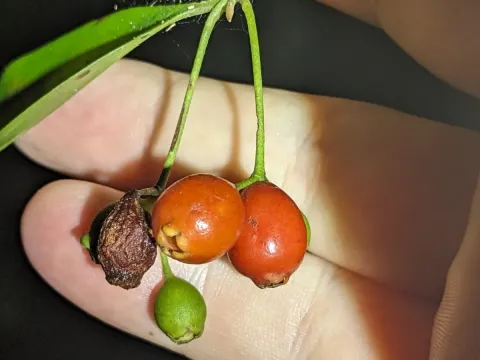
Archirhodomyrtus
Archirhodomyrtus
Archirhodomyrtus is a genus of evergreen shrubs and small trees belonging to the Myrtaceae family. Native primarily to Australia and the South Pacific, these plants are known for their dense foliage and unique floral morphology characterized by prominent stamens common in the Myrtle family.
What the section contains

Archirhodomyrtus
The biological structure of Archirhodomyrtus includes leathery, opposite leaves that are rich in essential oils. This provides the plant with a distinct scent and a high level of natural resilience in its native tropical and subtropical habitats.
Optimal growth for this genus requires a warm climate with consistent humidity levels. Unlike many hardy species, Archirhodomyrtus is sensitive to frost, requiring cultivation in sheltered positions where temperatures remain well above freezing throughout the year.
In terms of soil, these plants thrive in well-drained, acidic to neutral substrates that are rich in organic matter. They perform poorly in heavy, clay-based soils that retain too much moisture, which can lead to the suffocation of their delicate root system.
Proper agronomic care involves regular watering during dry spells and the application of slow-release fertilizers during the active growing season. Pruning should be kept to a minimum, focusing mainly on removing dead wood to maintain the plant's natural shape.
Fungal pathogens are the most common threats to Archirhodomyrtus, specifically those causing leaf spots and blight. These conditions are exacerbated by high ambient humidity and poor air circulation around the canopy, necessitating regular thinning of foliage.
Pests such as scale insects and mealybugs can infest the plant, feeding on sap and weakening the overall structure. Vigilant inspection of the stems and leaf axils is recommended to identify these infestations before they cause significant damage.
Spider mites may appear during periods of intense heat and low humidity. Regular misting or washing of the leaves can help deter these pests, along with the targeted use of horticultural soaps or acaricides when necessary.
Root rot is a critical concern, usually resulting from over-irrigation or inadequate drainage in the growing container. It is essential to ensure that the soil dries out slightly between watering sessions to maintain healthy root respiration.
Effective disease management relies on maintaining a healthy plant environment. By ensuring proper spacing and avoiding high-nitrogen fertilizers that encourage overly succulent growth, growers can significantly reduce the attractiveness of the plant to common pests.