
Archirhodomyrtus beckleri
Archirhodomyrtus beckleri
Description
Growing requirements
Archirhodomyrtus beckleri is a rare evergreen shrub or small tree belonging to the Myrtaceae family. Native to the rainforests of eastern Australia, this plant thrives in protected areas with high humidity and well-draining soil, mimicking the conditions of its natural tropical and subtropical habitat.
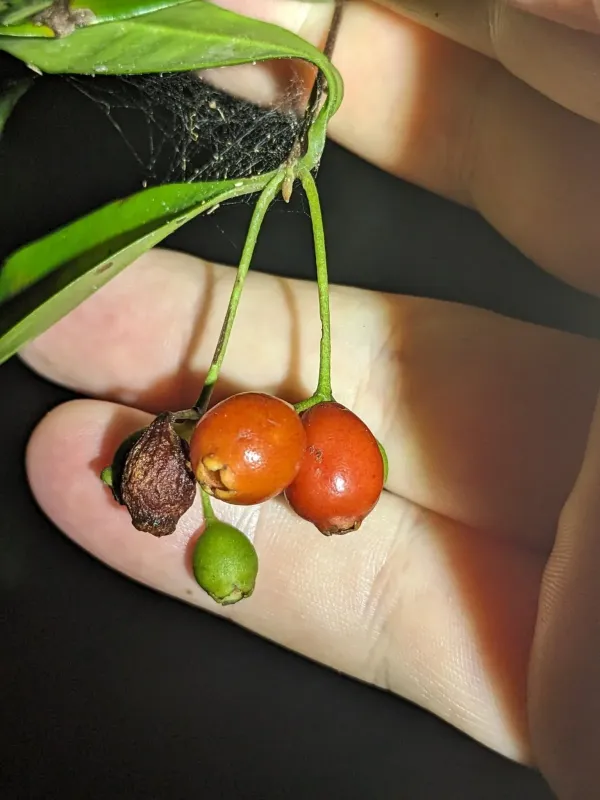
Botanically, the plant is recognized by its opposite leaves, which possess a leathery texture, and small aromatic flowers typical of the Myrtaceae family. The fruits are small berries that serve as a source of food for local wildlife, which in turn facilitates seed dispersal within the native environment.
Successful cultivation requires well-draining, nutrient-rich soils with a pH ranging from neutral to slightly acidic. Providing adequate drainage is the most critical agronomic factor, as the species is highly susceptible to root decay if the substrate remains waterlogged for extended periods.
Climatic requirements are strictly limited to warm environments without exposure to frost or severe cold temperatures. For growers in temperate zones, the species is best managed in greenhouses or conservatories, where temperatures can be maintained consistently above 10–12°C throughout the year.
The primary use of Archirhodomyrtus beckleri is ornamental. Its dense foliage and aesthetic appeal make it a desirable choice for botanical collections and exotic landscape designs. It serves as an excellent feature plant for sheltered tropical-style garden spaces where specific microclimates can be controlled.
Main diseases and pests
The main threats to this crop involve root rot diseases resulting from poor soil aeration and excessive irrigation. Additionally, in indoor or greenhouse settings, the plant is susceptible to common pests such as mealybugs and spider mites, necessitating diligent inspection and integrated pest management practices.