
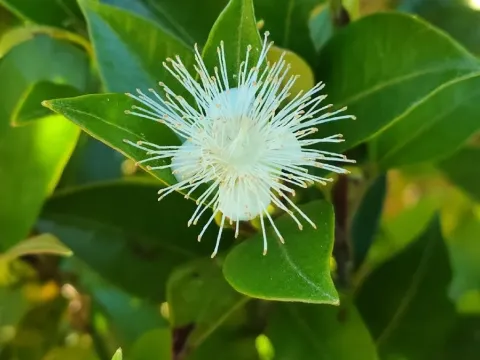
Amomyrtus
Amomyrtus
Amomyrtus is a genus of evergreen shrubs or small trees belonging to the Myrtaceae family. In their natural habitat, these plants are predominantly found in the temperate rainforests of Chile and Argentina.
What the section contains


Amomyrtus
The culture prefers a mild, humid climate without extreme temperature fluctuations. For successful development, the plants require well-drained, acidic to neutral soils rich in organic matter.
An important requirement is protection from strong winds and intense direct sunlight during the early stages of growth. Amomyrtus possesses moderate frost resistance, so cultivation in cold-winter regions is only feasible in greenhouses or winter gardens.
Irrigation must be consistent, as the plant is highly sensitive to soil moisture depletion. Optimal air humidity levels promote active vegetative growth and high-quality blooming patterns.
Propagation is most commonly achieved through seeds or cuttings under conditions of high humidity. From an agronomic perspective, regular fertilization is essential to maintain foliage health and vigor.
Commercial use of Amomyrtus focuses on its edible berries, which resemble other Myrtaceae family fruits in flavor. These fruits are often consumed fresh or used in the production of jams, jellies, and artisanal beverages.
Harvesting is typically performed manually once the fruits reach full technical maturity. Monitoring fruit color and skin firmness is crucial to ensure product quality during transport and storage.
Beyond the fruit, Amomyrtus leaves contain essential oils, making the species an interesting candidate for ornamental landscaping. Its aesthetic appeal is highly valued in regions with suitable climates.
Traditional uses also include the preparation of infusions and its application as an aromatic ingredient. The biochemical profile of the berries warrants further research to expand its commercial value.
Proper post-harvest handling involves rapid cooling of the fruits to preserve their organoleptic properties. Since the shelf life of fresh berries is limited, prompt processing is generally required.
The primary threats to Amomyrtus are fungal diseases caused by excessive soil moisture and poor air circulation. Regular canopy pruning helps minimize the risk of pathogen outbreaks.
Pests common to Myrtaceae, such as scale insects and spider mites, can affect the plant in controlled environments. Preventive applications of biological insecticides remain the standard method for population management.
Improper soil pH levels can lead to leaf chlorosis. Corrective measures involve the regular application of chelated iron and essential micronutrients to restore plant balance.
Waterlogging in the root zone is a major cause of root rot, often leading to rapid plant decline. Providing high-quality drainage is a critical agronomic requirement for these species.
Frost damage to stems weakens the plant's immune system, increasing vulnerability to secondary infections. During winter, mulching the root area is recommended to maintain stable soil temperatures.