
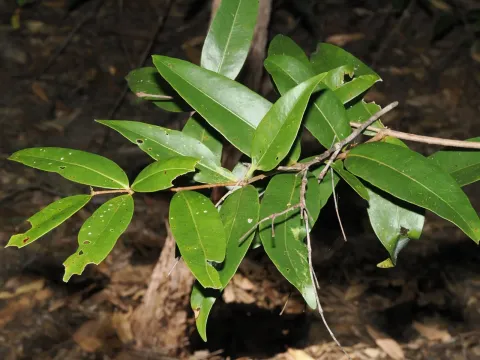
Allosyncarpia
Allosyncarpia
Allosyncarpia is a monotypic genus of evergreen trees belonging to the Myrtaceae family. Native exclusively to the sandstone plateau regions of the Northern Territory in Australia, this plant is a botanical rarity of significant scientific interest.
What the section contains

Allosyncarpia
The plant thrives in a tropical monsoon climate. Its ability to survive in rugged, rocky terrains is supported by a robust root system that anchors the tree firmly into sandstone fissures, seeking moisture during prolonged dry seasons.
Soil requirements for Allosyncarpia include excellent drainage and high acidity. It typically avoids waterlogged conditions, preferring substrate compositions that mimic the natural weathered sandstone and organic debris found in its native environment.
Botanically, it is characterized by its evergreen foliage, which is thick and leathery to minimize transpiration. The structure of the tree is designed to provide shade and shelter for various micro-fauna, playing a key role in its local ecosystem.
Although it is not a traditional agricultural crop, Allosyncarpia is valued in ecological conservation efforts. Its cultivation remains restricted primarily to botanical research and restoration projects focusing on endemic species preservation.
The primary threats to Allosyncarpia are linked to environmental changes, specifically shifts in fire frequency. Intense or overly frequent fires can overwhelm the tree's natural resilience mechanisms during its early growth stages.
Soil-borne pathogens represent a significant risk, particularly those that thrive in humid environments. Proper site selection and drainage management are essential to prevent the development of root rots which can be fatal to the trees.
Termite activity poses a moderate threat to older, weakened trees. Maintaining a high level of plant vigor through balanced environmental conditions is the most effective way to prevent significant structural damage from these insects.
Invasive plant species can compete for limited soil nutrients, hindering the recruitment of seedlings. Monitoring the surrounding vegetation is crucial for the health of wild populations and small-scale plantings alike.
Management of these threats is largely focused on habitat protection and minimal human intervention. Protecting the integrity of the soil layer is paramount to maintaining the health of the individual trees and the broader population.