
Streblus banksii
Streblus banksii
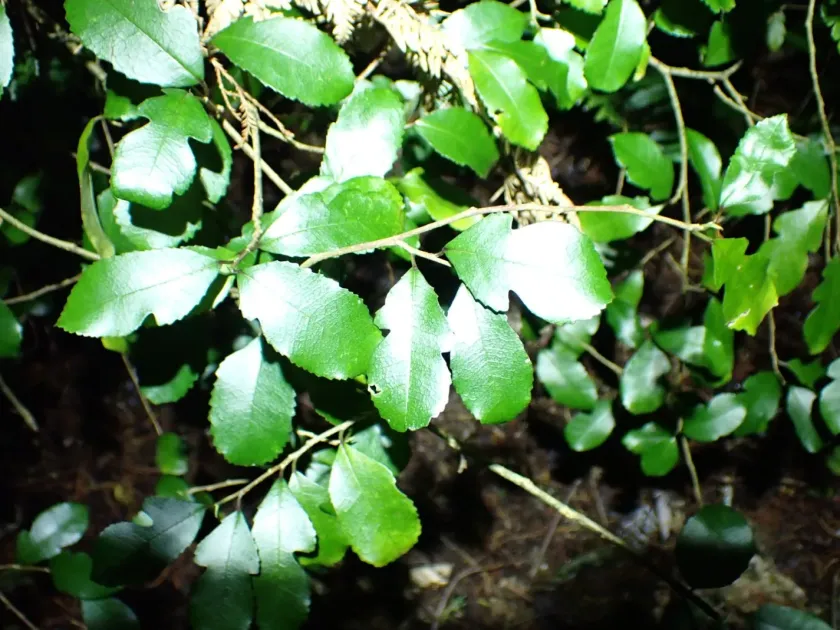
Description
Growing requirements
Streblus banksii, commonly known as a member of the Moraceae family, is an evergreen tree native to the coastal regions of New Zealand. It is highly valued for its dense foliage and sculptural growth habit.
The plant thrives in temperate, coastal environments where temperatures remain relatively stable throughout the year. It requires well-drained, nutrient-rich soil to support its slow but steady development.
Light requirements for this species include bright, indirect sunlight. While it can tolerate full sun in its native habitat, potted specimens usually prefer partial shade during the peak heat of the afternoon.
Regular irrigation is essential, especially during the active growing season. However, waterlogging must be strictly avoided, as the root system is sensitive to prolonged anaerobic conditions.
In terms of propagation, cuttings are the most successful method. Ensuring high humidity levels and a controlled temperature environment significantly improves the rooting percentage of new clones.
Main diseases and pests
Pests such as scale insects and mealybugs represent the primary biological threat to Streblus banksii. These pests tend to congregate on the stems and leaf undersides, extracting essential sap.
Root rot, often caused by the fungus Phytophthora, is a common issue when soil drainage is inadequate. Utilizing porous planting mediums is the best strategy to mitigate this risk.
Leaf spot diseases may occur in stagnant, humid environments without proper airflow. Increasing spacing between plants or using fans in greenhouse conditions effectively reduces infection rates.
Spider mites are a persistent problem in low-humidity indoor settings. Regular monitoring and misting of the foliage serve as effective non-chemical preventative measures against infestation.
Nutrient deficiencies, specifically a lack of magnesium or iron, can manifest as interveinal chlorosis, which can be corrected through appropriate trace element supplementation.