
Streblus heterophyllus
Streblus heterophyllus
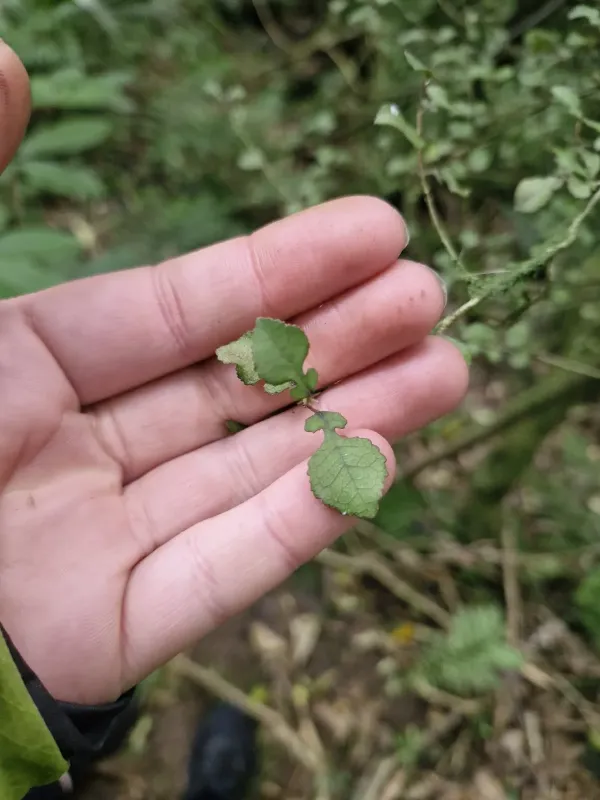
Description
Growing requirements
Streblus heterophyllus is an intriguing evergreen plant belonging to the Moraceae family, native to New Zealand. This species is widely recognized for its botanical characteristic known as heterophylly, where the plant produces leaves of different shapes and sizes throughout its development stages.
The plant thrives in regions with stable climates, preferring well-drained, nutrient-rich soils. In terms of location, it favors sheltered spots where it is protected from strong, drying winds. Soil pH should ideally be neutral or slightly acidic to promote optimal nutrient uptake.
Regarding cultivation requirements, regular but moderate irrigation is essential. Waterlogging must be avoided, as it can cause root system distress. A balance between moisture retention and soil aeration is the key to successfully maintaining a healthy growth habit in nurseries or gardens.
Agricultural and horticultural practices involve pruning to maintain shape and density. As a resilient species, it responds well to aesthetic trimming, making it a popular choice for topiary, hedges, or as a standalone architectural plant in botanical collections.
The economic value of this culture lies primarily in its use in landscaping and nursery trade. Its ability to tolerate various light conditions and its evergreen nature make it a versatile asset for designing diverse outdoor environments.
Main diseases and pests
Major threats to Streblus heterophyllus include fungal infections that often stem from poor drainage and high humidity. Maintaining proper spacing between plants ensures adequate air circulation, which significantly lowers the risk of pathogens settling in the foliage.
Pests such as aphids and spider mites are common concerns for members of the Moraceae family. Growers should conduct periodic inspections of the leaf undersides to detect any early signs of infestation and prevent rapid population growth through biological or mechanical control.
Lack of proper pruning can result in a dense, overcrowded canopy that creates a moist microclimate, becoming a breeding ground for pests and diseases. Regular sanitation is therefore a critical component of integrated pest management for this culture.
Environmental stress, such as prolonged drought or extreme temperatures, can weaken the plant's natural immunity. Providing supplemental nutrition during the growing season helps the plant maintain vigor and better resist potential biological stressors.
In case of severe disease pressure, manual removal of infected branches combined with targeted treatments is recommended. Keeping the surroundings clean and free from decaying plant matter is a fundamental practice in protecting the health of the cultivation.