
Streblus elongatus
Streblus elongatus
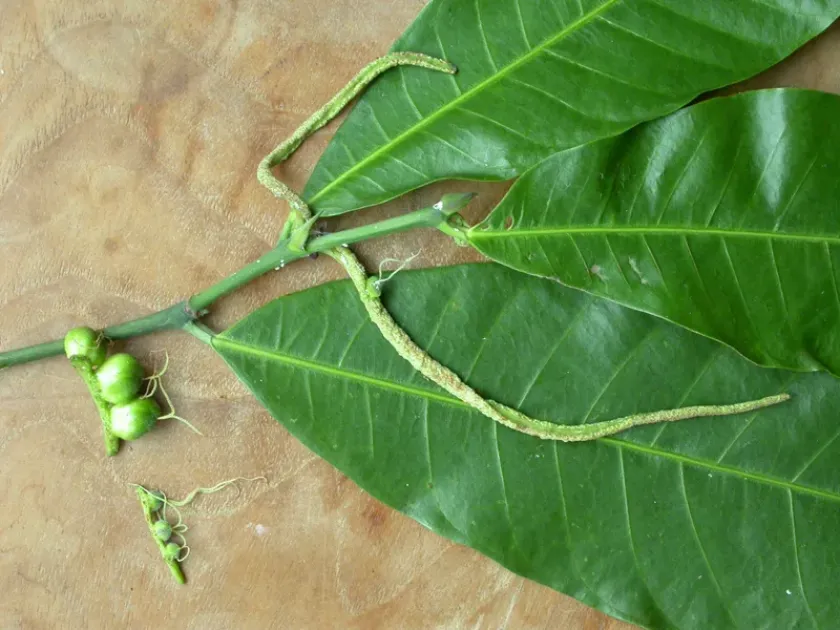
Description
Growing requirements
Streblus elongatus is a notable tropical tree species belonging to the Moraceae family. It is recognized for its significant role in the biodiversity of Southeast Asian rainforests, specifically in regions like Malaysia and Indonesia.
The species naturally thrives in tropical lowland forests where high humidity and consistent rainfall are prevalent throughout the year. It requires a stable environment to reach its maximum height and development potential.
For successful cultivation, the tree demands fertile, well-draining soils rich in organic matter. While it is a robust species, waterlogging can lead to root system complications, necessitating adequate soil management.
Climatically, it is adapted to warm conditions, avoiding regions prone to frost or severe seasonal temperature drops. Young trees require partial shade in nursery conditions to prevent stress from intense solar radiation.
Good silvicultural practice involves monitoring for nutrient deficiencies in the soil and ensuring that natural light competition from invasive species is managed during the early development years of the plant.
Harvesting
The primary economic output of Streblus elongatus is its high-quality timber, commercially referred to as 'kampens' wood. This wood is highly sought after due to its impressive mechanical strength and durability.
Harvesting strategies are usually based on long-term forestry cycles. The trees are felled only after reaching an age that ensures high wood density and optimal structural properties for heavy-duty applications.
The timber is predominantly used in construction sectors, including heavy structural framing, flooring, and exterior applications where resistance to pests and decay is critical for long-term survival.
Processing the wood requires specialized heavy-duty machinery due to its extreme hardness. Proper kiln drying is essential to minimize warping and ensuring stability in the finished lumber products.
Sustainable forest management practices are strictly applied during the harvest to ensure the longevity of the stands. These methods prevent deforestation while providing a steady supply of premium timber to the global market.