
Streblus usambarensis
Streblus usambarensis
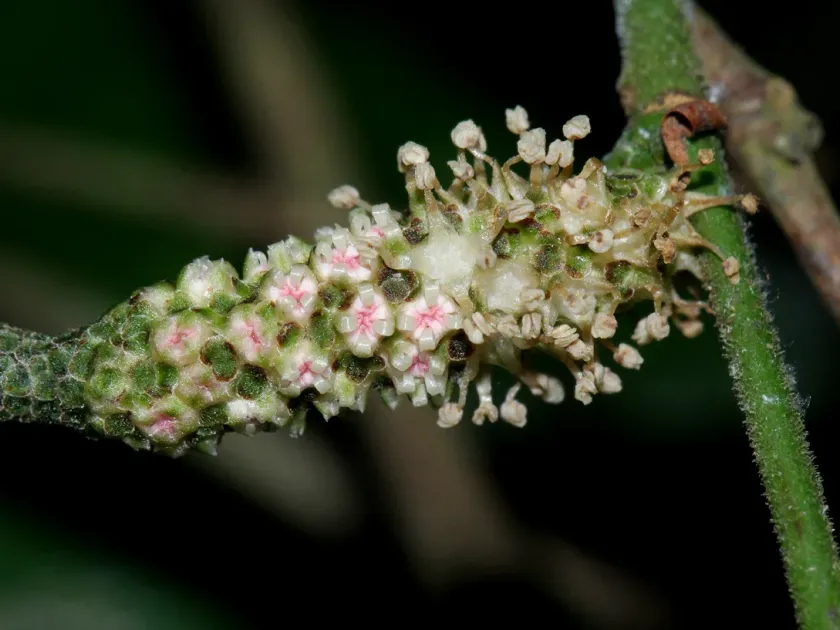
Description
Growing requirements
Streblus usambarensis is a species of evergreen tree belonging to the Moraceae family. It is native to the high-altitude humid forests of East Africa, specifically within the Usambara Mountains region, which defines its ecological preference for misty and temperate tropical environments.
The tree thrives in climates characterized by high annual rainfall and consistent, moderate temperatures. Unlike lowland tropical species, it is adapted to the specific microclimates of mountain ranges, where humidity remains elevated throughout the year.
Optimal soil conditions for this culture involve deep, well-draining loamy soils enriched with organic matter. Proper soil aeration is essential to prevent root rot, as the tree is naturally adapted to slope-based forest environments with efficient water drainage.
Agricultural practices for this species must focus on mimicking the forest understory during the initial growth stages. Young trees are sensitive to extreme desiccation and require consistent shade and moisture management to establish a strong root system.
Cultural maintenance involves periodic monitoring of soil fertility. Given its slow growth rate, the application of organic amendments can significantly support the health of the specimens, especially when cultivated outside its primary natural habitat.
Harvesting
The primary economic value of Streblus usambarensis lies in its high-quality timber. The wood is recognized for its durability and strength, making it a valuable resource for local construction projects and the manufacture of high-resistance wooden components.
Harvesting operations should be managed under sustainable forestry protocols to prevent the depletion of wild populations. The long rotation period required for the tree to reach maturity necessitates careful planning and long-term land-use management.
In terms of agricultural output, the volume of harvest depends on the density of the plantation and the adherence to thinning protocols that encourage the development of straight and sturdy main trunks.
Beyond timber, the species contributes significantly to forest ecosystem services, including soil stabilization and carbon sequestration, which adds value to its cultivation in reforested areas.
Future research into the silviculture of Streblus usambarensis aims to optimize growth rates and wood yield while maintaining the biological integrity of the species, ensuring that its agricultural potential is realized responsibly.