
Streblus asper
Streblus asper
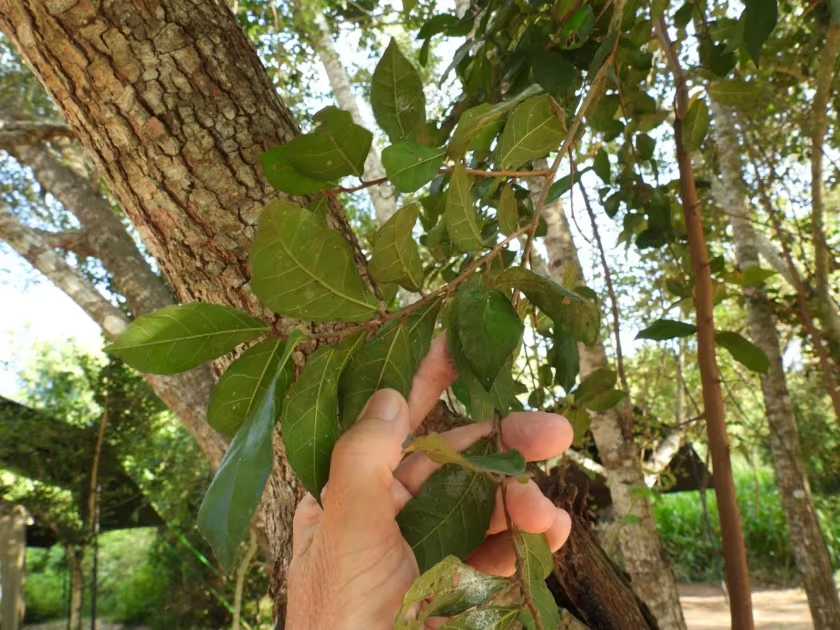
Description
Growing requirements
Streblus asper, commonly known as the rough bush or toothbrush tree, belongs to the Moraceae family. It is a slow-growing, evergreen tree native to tropical regions of Asia, primarily found in dry, open forests and scrubland environments.
The plant demonstrates remarkable environmental resilience, thriving in varied soil types such as limestone, rocky, and degraded clay soils. It is particularly well-suited for reforestation projects in arid or tropical regions where nutrient-poor conditions hinder other species.
Climatic requirements involve a tropical or subtropical regime with sufficient solar radiation. While mature specimens are highly drought-tolerant, young plants benefit significantly from regular watering during the first year of establishment to develop a robust root system.
Agrotechnical management is relatively minimal. The plant requires well-drained soil to prevent root asphyxiation, particularly in high-rainfall zones. Routine pruning is recommended to maintain a desired shape, especially when grown as an ornamental hedge or for fruit-bearing purposes.
Economic uses of Streblus asper are extensive. The bark is traditionally used for manufacturing paper, while the latex and roots are highly valued in herbal medicine. Its leaves serve as natural sandpaper, and the wood is used for high-quality implements.
Main diseases and pests
The primary threats to Streblus asper include soil-borne fungal pathogens, which are exacerbated by poor drainage and waterlogging. Ensuring a well-aerated root zone is the most effective preventative measure against these infections.
Sap-sucking insects like mealybugs and scale insects represent the most significant pest concerns. These pests weaken young growth and can lead to secondary sooty mold development on the leaf surfaces, necessitating manual cleaning or targeted intervention.
Leaf-spot fungi may occur during the wet season if air circulation is insufficient within the dense canopy. Pruning interior branches is essential to allow light and air to penetrate, which significantly lowers the humidity levels around the foliage.
Wood-boring beetles can pose a risk to older trees, especially those suffering from environmental stress or lack of nutrients. Monitoring for signs of exit holes in the bark is crucial for the early detection and management of infestations.
Weed competition during the seedling stage is a major factor limiting growth. Maintaining a clear radius around the trunk and applying organic mulch helps the young tree establish itself effectively while reducing the need for chemical herbicide applications.