
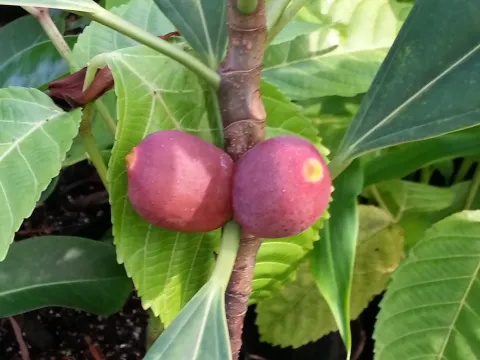
Ficus xylophylla
Ficus xylophylla
Ficus xylophylla is a distinct species belonging to the Moraceae family, naturally occurring in tropical rainforest ecosystems. It is known for its structural robustness and dense foliage, which are typical characteristics of this botanical group.
What the section contains
Ficus xylophylla
The cultivation of this species requires well-draining, nutrient-rich soil substrates. An ideal soil mix should maintain adequate porosity to ensure oxygenation for the roots, preventing compaction that could lead to stunted plant growth.
Climate requirements for Ficus xylophylla are strictly tropical, necessitating stable warm temperatures between 22 and 28 degrees Celsius. The species does not tolerate cold drafts or sudden thermal shifts, which can result in physiological stress.
Light management is crucial, as the plant prefers bright, filtered sunlight. Exposure to harsh, direct sunlight during peak hours can cause irreversible damage to the leaves, leading to chlorosis or necrosis of the leaf margins.
Watering practices should be strictly monitored, following the principle of allowing the substrate to dry partially between applications. Consistent moisture is preferred over excessive saturation, which could trigger root system degradation.
Common pests affecting Ficus xylophylla include spider mites and scale insects. These pests often proliferate under conditions of low relative humidity, requiring regular monitoring of both the adaxial and abaxial surfaces of the leaves.
Fungal pathogens such as leaf spot are frequently observed in environments with poor air circulation. Improving ventilation and maintaining leaf hygiene are essential preventive measures to reduce the incidence of these infections.
Root rot, primarily caused by waterlogging, is a significant threat to the plant's health. Implementing an efficient drainage system within the growing pots is a fundamental step in ensuring the long-term viability of the crop.
Mealybugs pose a threat by colonizing the leaf axils and stems, extracting plant sap and reducing overall vigor. Integrated pest management strategies, including biological control or targeted applications, are highly recommended.
Regular sanitation of the growing environment helps prevent the buildup of inoculum for various diseases. Removing debris and infected plant tissue immediately upon detection is vital to maintain a healthy growing environment.