
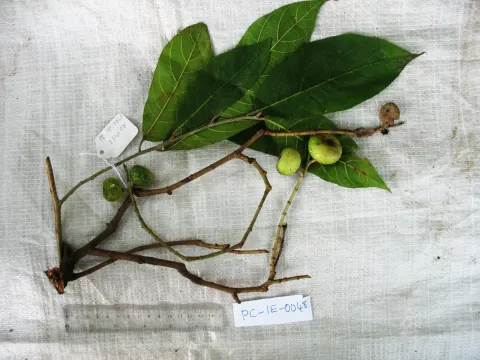
Fig-fruited fig
Ficus botryocarpa
The Ficus botryocarpa is a notable member of the Moraceae family, recognized for its distinct fruiting clusters. This evergreen woody species is native to the tropical regions of Southeast Asia, thriving in the dense, high-humidity forest ecosystems.
What the section contains
Fig-fruited fig
Botanically, it is classified as a robust grower that requires specific environmental conditions to maintain its structural integrity and foliage health. Its development is directly linked to the availability of stable, warm tropical climates where growth cycles are year-round.
To cultivate this species successfully, agronomists must maintain a temperature range between 22 and 28 degrees Celsius. The plant is sensitive to thermal shock; therefore, avoiding cold drafts and extreme temperature fluctuations is critical for its survival.
Soil requirements involve a well-draining, nutrient-rich substrate, preferably a mix that mimics forest floor humus. Good drainage is essential to prevent water accumulation, which can cause significant damage to the plant's delicate root system.
Cultural management includes providing bright, indirect light to satisfy the photosynthesis needs of the broad leaves. Proper hydration through consistent soil moisture and atmospheric humidity control are necessary to support the physiological processes of the fig.
Economically, Ficus botryocarpa is primarily cultivated for ornamental purposes in botanical gardens and conservatories. While the genus is related to commercial figs, this specific species is not currently grown for large-scale fruit production in modern agriculture.
Common pests affecting this species include spider mites, aphids, and scale insects, which often colonize the underside of leaves. Proactive monitoring and the application of horticultural soaps or specific acaricides are recommended to manage these threats effectively.
Fungal infections, often manifesting as leaf spots or root rot, are usually indicators of improper water management or poor airflow. Maintaining dry foliage during evening hours and ensuring efficient drainage are the best cultural practices to prevent these diseases.