
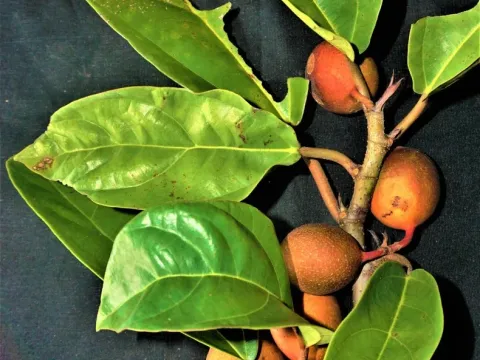
Ficus apiocarpa
Ficus apiocarpa
Ficus apiocarpa is a distinctive species within the Moraceae family, originating from the tropical regions of Southeast Asia. This plant thrives in diverse forest habitats, playing a significant role in the local ecosystem through its interaction with specialized pollinators.
What the section contains
Ficus apiocarpa
Cultivation of this species requires a stable tropical climate characterized by high humidity and consistent temperatures, ideally ranging between 22 and 28 degrees Celsius. Any significant deviations from these parameters can lead to physiological stress and reduced growth rates.
Soil requirements for Ficus apiocarpa center on excellent drainage and organic richness. A well-aerated medium, such as a mix of peat, pine bark, and perlite, is essential to prevent root asphyxiation, which is a common cause of failure in containerized cultivation.
Light management is crucial, as the species is adapted to the dappled sunlight of the forest understory. Providing bright, indirect light is necessary to maintain optimal photosynthetic activity while preventing excessive evaporation from the leaves.
Routine horticultural maintenance involves controlled irrigation to keep the substrate moist but not waterlogged. Periodic fertilization with balanced nutrients during the growing season supports the development of healthy foliage and robust stem architecture.
The health of Ficus apiocarpa can be compromised by several biotic threats. Root rot, primarily caused by fungal pathogens such as Phytophthora, is often associated with poor drainage systems and overly compacted growing media.
Spider mites are the most prevalent pests in indoor or greenhouse environments. These minute arthropods feed on the cell sap of the leaves, causing chlorosis and eventual necrosis of the foliage if left uncontrolled.
Scale insects and mealybugs also present significant challenges to plant vigor. These pests congregate on the stems and leaf undersides, extracting nutrients and often excreting honeydew, which serves as a substrate for secondary sooty mold infections.
Fungal leaf spot diseases may occur under conditions of poor air circulation and high atmospheric humidity. These infections manifest as irregular dark patches that can rapidly spread across the canopy if humidity levels are not managed effectively.
Integrated pest management, including regular monitoring and the use of targeted biological controls or appropriate chemical treatments, is recommended to ensure the long-term vitality of the Ficus apiocarpa specimens.