
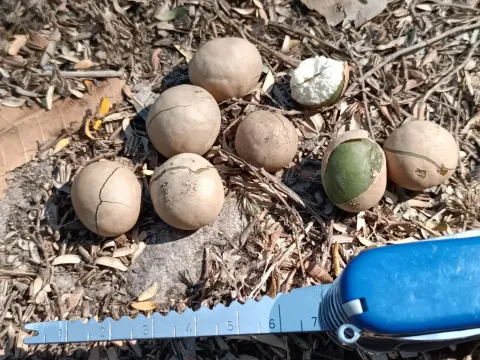
Brosimum
Brosimum
The genus Brosimum belongs to the Moraceae family and comprises several species of evergreen trees native to the tropical forests of Central and South America. These trees thrive in hot, humid climates with consistent temperatures throughout the year.
What the section contains

Brosimum
The cultivation of Brosimum requires fertile, well-draining soils that are rich in organic matter. They are highly sensitive to frost and cold drafts; therefore, cultivation is generally restricted to tropical zones where the risk of freezing is non-existent.
Water requirements are significant. Consistent soil moisture is necessary for optimal development, as the trees do not possess high drought tolerance. However, waterlogging must be avoided, as stagnant water around the roots can lead to rot and plant decline.
Brosimum trees prefer moderate shade, especially during their juvenile stage. As they mature, they can tolerate more light, provided that the soil moisture levels are maintained. Protection from strong winds is recommended to preserve the integrity of their branches.
Biologically, the plants are characterized by the presence of a milky latex in their bark and stems. This latex is a distinctive feature of the genus and has been historically utilized by local populations for various domestic purposes.
The economic utility of Brosimum is diverse, ranging from food production to the supply of high-quality hardwood. Certain species produce edible fruits that serve as a nutritional source, often consumed fresh or processed by indigenous communities.
The wood, famously known as "snakewood" (specifically from Brosimum guianense), is highly sought after in the luxury timber market. It is prized for its extreme density, durability, and unique, patterned coloration, making it ideal for high-end cabinetry.
Some species are recognized for their latex, which is collected and used as a nutritional supplement or a milk substitute. This practice highlights the tree's versatility as a resource in tropical agroforestry systems.
Yield management requires careful attention to the tree's growth cycles. Pruning is essential in managed orchards to encourage a balanced structure, which improves light penetration and facilitates easier harvesting of fruits or sustainable timber extraction.
Beyond commercial value, Brosimum plays a vital role in tropical reforestation efforts. Due to its adaptation to the forest environment, it contributes to soil stability and provides habitat for local fauna, supporting ecological diversity.
Fungal diseases represent the most significant threat to Brosimum in humid tropical environments. Excessive moisture can lead to leaf spots and stem rots, which require proactive management through proper spacing and air circulation within the tree canopy.
Pests, particularly scale insects and mealybugs, are frequent challenges. These sap-sucking insects target young shoots, weakening the plant and necessitating regular monitoring to prevent large-scale infestations that could hinder growth.
Nematodes are a potential underground threat, capable of damaging the root systems of trees grown in commercial plantations. Soil testing and the use of resistant or clean planting stock are key strategies for mitigating this risk.
Leaf-eating insects can cause defoliation, though healthy, established trees usually demonstrate sufficient resilience to recover. In intensive farming, integrated pest management (IPM) practices are encouraged to maintain tree health without excessive chemical use.
Maintenance of canopy hygiene is the primary defense against pests and diseases. By keeping the area beneath the trees free of decaying organic matter and ensuring proper drainage, growers can significantly reduce the risk of pathogen outbreaks.