
Brosimum alicastrum
Brosimum alicastrum
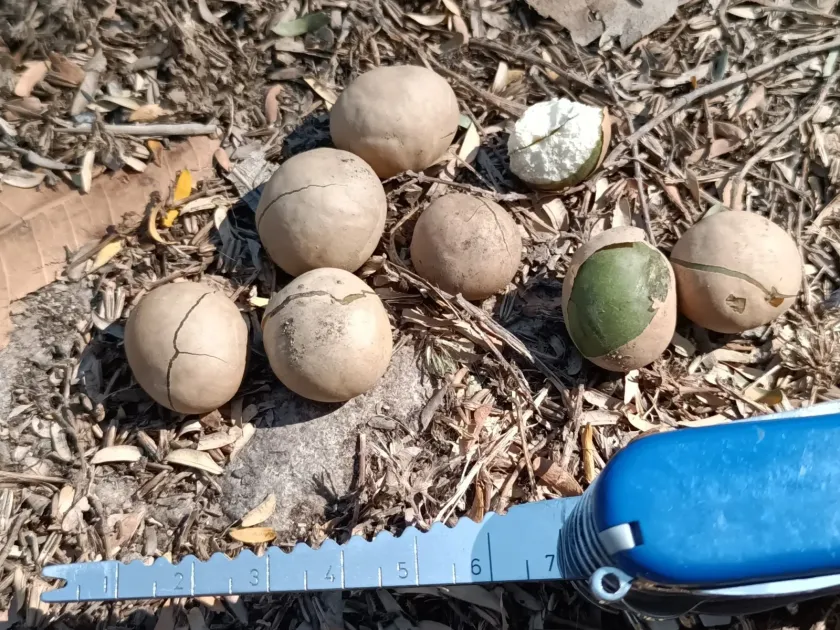
Description
Sowing dates
Propagation of Brosimum alicastrum is primarily achieved through seeds, which exhibit recalcitrant behavior, losing viability quickly after harvest. Therefore, immediate sowing in a well-prepared seedbed is essential for successful germination.
Seeds should be planted at a depth of 2 to 3 centimeters in a nutrient-rich, moist substrate. Consistent warmth, ranging between 25 and 30 degrees Celsius, is required to trigger the physiological processes of sprouting within two to four weeks.
In nursery settings, seedlings are often kept in containers until they reach a height of at least 40 centimeters. This phase allows the root system to develop strength before the tree is moved to its permanent location in the field.
The ideal window for transplanting into the open ground is at the onset of the rainy season. This timing ensures that the young plants have sufficient soil moisture to establish their root systems before the next dry season arrives.
Spacing is a crucial factor in the plantation layout, with a recommended distance of 6 to 8 meters between individual trees. This ensures that the mature canopy has sufficient room to develop, promoting optimal fruit and leaf production.
Growing requirements
Brosimum alicastrum is a member of the Moraceae family and is indigenous to the tropical forests of Central and South America. It thrives in humid environments but displays a remarkable level of adaptability to varying climates.
The tree is well-known for its tolerance of diverse soil types, including alkaline, limestone, and rocky soils. While it prefers well-drained locations, it is resilient enough to endure short periods of flooding, provided the drainage is generally sufficient.
Temperature stability is vital for this species, as it lacks cold tolerance. It performs best in low-to-mid elevation tropical regions where temperatures remain consistently warm throughout the year, avoiding freezing conditions.
Light requirements vary depending on the age of the tree. While mature specimens are canopy giants that demand full sunlight, saplings are relatively shade-tolerant, making the tree an excellent candidate for complex agroforestry systems.
Agronomic maintenance includes mulching around the base to retain moisture during the initial years. Once established, the tree is highly drought-tolerant, utilizing its deep taproot system to access subterranean water sources.
Yield
The tree is recognized for its high yield potential, with the seeds—commonly referred to as breadnuts—providing a substantial source of protein, carbohydrates, and essential vitamins. This nutritional profile makes it a staple food resource.
Beyond human consumption, the leaves and young shoots of Brosimum alicastrum serve as highly palatable, protein-rich forage for livestock. This makes the tree an indispensable asset for integrated animal husbandry in tropical regions.
Studies indicate that incorporating this tree into pasture lands can significantly reduce reliance on synthetic animal feeds. The foliage is easily digestible for ruminants and helps maintain livestock health during periods of seasonal forage scarcity.
Productivity increases significantly as the tree matures, with a single specimen capable of producing large quantities of seeds annually. This reliable output makes it a cornerstone for sustainable food security initiatives.
The crop is known for its long lifespan and continued productivity over several decades. Its ability to produce both seeds and fodder allows farmers to diversify their agricultural income and buffer against climate-related losses.
Main diseases and pests
Fungal pathogens represent the most significant threat to Brosimum alicastrum, especially in areas with poor airflow and high humidity. Proper canopy management through selective pruning is the primary method for disease prevention.
Insect pests can target leaves and tender shoots, leading to reduced growth rates. Regular field inspections are necessary to identify potential infestations early and avoid the need for broad-spectrum chemical interventions.
Epiphytic plants and climbing lianas can overwhelm smaller trees, exerting pressure on the canopy and potentially causing mechanical damage during extreme weather events. Clearing these competitors is a routine part of plantation maintenance.
Rodents and other small herbivores can damage the bark of young saplings, often leading to stunted growth or mortality. Using protective guards around the trunks of young trees during the first few years is a critical safeguard.
Integrated Pest Management (IPM) strategies, which prioritize biological controls and healthy soil practices, are recommended to maintain the ecosystem balance and preserve the long-term vitality of the trees.
Harvesting
Harvesting the seeds typically involves gathering the mature fruits that have naturally fallen to the ground. This method ensures that only the ripest seeds are collected, minimizing the need to harvest directly from the high canopy.
The harvest timing is dictated by the local climate, specifically the onset of the rainy season which triggers fruit maturation. Efficiency in collection is key to preventing the seeds from fermenting or rotting in the damp soil.
Post-harvest processing requires immediate removal of the pulp, followed by thorough washing. Drying the seeds under controlled conditions is necessary to reduce their moisture content for safe, long-term storage without mold development.
Fodder harvesting is performed through regular pruning of lateral branches. This process serves a dual purpose: providing high-quality feed for livestock and stimulating the tree to produce more foliage for subsequent harvests.
Well-stored breadnuts can maintain their nutritional integrity for several years. This longevity makes Brosimum alicastrum an excellent insurance crop, providing a stable food supply even during years of poor harvest for other agricultural commodities.