
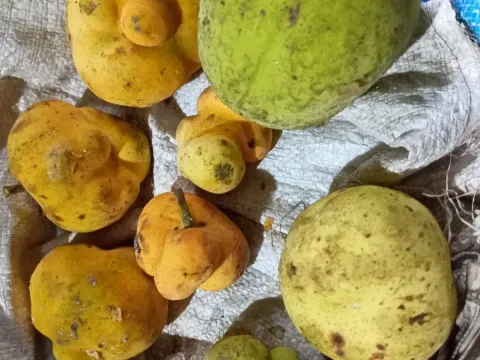
Artocarpus lacucha
Artocarpus lacucha
Propagation of Artocarpus lacucha is primarily achieved through seeds, which must be sown immediately after extraction as they rapidly lose viability.
What the section contains
Artocarpus lacucha
Seeds should be placed in well-draining, nutrient-rich potting soil and kept at temperatures between 25°C and 30°C to ensure successful germination.
In nursery settings, it is essential to maintain consistent moisture levels, preventing both desiccation and waterlogging of the sensitive seedlings.
Early-stage growth requires shade to protect young plants from intense direct sunlight, which can cause leaf scorch in immature specimens.
Once seedlings have developed several true leaves and a sturdy stem, they are ready for transplantation to a nursery bed or a permanent location.
Artocarpus lacucha is a member of the Moraceae family and thrives in humid tropical and subtropical climates with high annual rainfall.
The ideal soil profile consists of deep, fertile, and well-draining loamy soils that can support the tree's extensive and vigorous root system.
While the tree is tolerant of various soil types, it performs best in soils with a slightly acidic to neutral pH level, rich in organic matter.
Full sun exposure is preferred for mature trees, promoting robust branch growth and a higher density of flowering sites across the canopy.
Protection from frost and cold winds is critical, as the species is highly sensitive to low temperatures, which can prove fatal to the tree.
Yield capacity of Artocarpus lacucha increases steadily with the age of the tree, with mature specimens producing substantial fruit crops annually.
The tree exhibits cauliflory, where fruits develop directly on the trunk and primary branches, simplifying the harvest process significantly.
Strategic pruning helps improve air circulation and light penetration, which directly contributes to higher fruit quality and consistent annual production.
Fertilization with balanced NPK inputs during the growth season is recommended to support the significant metabolic demands of fruit production.
Apart from the edible fruit, the tree provides valuable timber, which is highly resistant to decay and insect damage, adding economic value.
The most common agricultural threats include fungal pathogens that flourish in high-humidity environments, potentially causing root or collar rot.
Fruit flies are a significant pest for this crop, often damaging developing fruits and necessitating integrated pest management strategies.
Mealybugs and scale insects may also infest foliage, requiring monitoring and localized treatment to prevent spreading throughout the orchard.
Maintaining high hygiene standards by removing fallen fruits and debris is essential for reducing the populations of major fruit-damaging pests.
Proper spacing between trees in an orchard is necessary to minimize the risk of spreading airborne pathogens and to ensure healthy growth rates.
Harvesting should be done with caution due to the tree's latex-rich sap, which can be sticky and may cause skin irritation to farm workers.
Fruits are ready for harvest when the rind changes from a vibrant green to a dull yellowish-brown, accompanied by a distinct aromatic intensity.
Tools such as sharp shears or pruning knives are used to cut the peduncle, ensuring the fruit is detached without bruising the skin.
Post-harvest care involves gentle handling and immediate placement into ventilated, cushioned crates to prevent mechanical stress during transport.
Due to the short shelf life of the ripe fruit, swift movement through the supply chain is required to maintain quality and market value.