
Artocarpus kemando
Artocarpus kemando
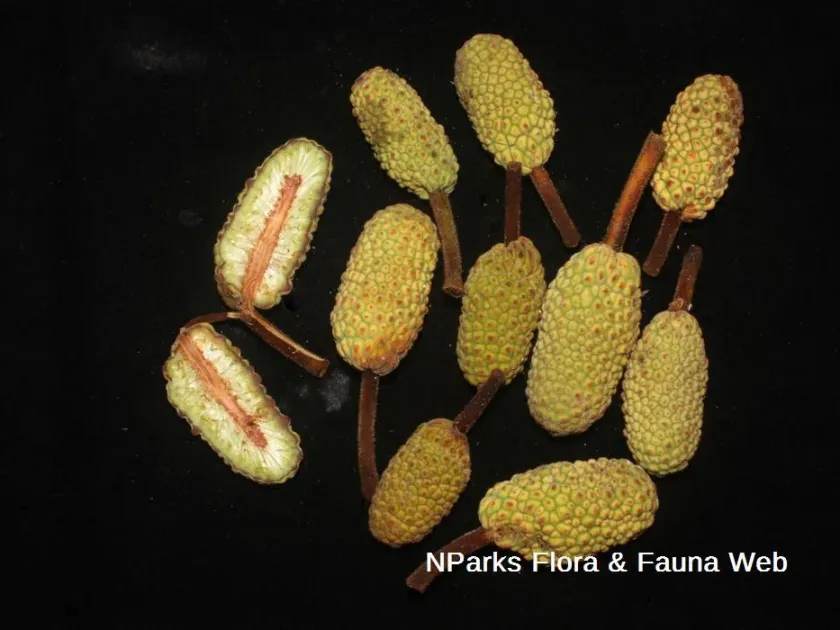
Description
Sowing dates
Artocarpus kemando is typically propagated through seeds, as vegetative propagation is challenging due to the high latex content in its tissues. Seeds have short viability, necessitating sowing immediately after extraction from the fruit.
The ideal sowing medium is a well-draining, nutrient-rich soil kept consistently moist. Soil temperatures should be maintained between 25 and 28 degrees Celsius to facilitate successful germination.
In nursery settings, container-grown saplings are preferred to ensure better root system development. Providing light shade for seedlings prevents sun damage during the critical early growth stages.
Transplanting to a permanent location is best performed once the sapling reaches a height of 40–50 centimeters. Careful handling is required to prevent root shock during the transition period.
Spacing is a vital consideration, with trees requiring at least 8 to 10 meters of distance from each other to accommodate their broad, spreading canopy at maturity.
Growing requirements
This species belongs to the Moraceae family and is native to moist tropical forest environments. It thrives in regions with high humidity and significant annual rainfall, requiring a consistent water supply.
Artocarpus kemando prefers deep, fertile, and well-drained soils. It is highly intolerant of waterlogged conditions and saline soils, both of which can significantly hamper tree health and fruit production.
Optimal growth occurs within a temperature range of 22 to 32 degrees Celsius. Being a purely tropical plant, it is extremely sensitive to cold and cannot survive exposure to frost.
A sheltered site, protected from strong winds that could damage the canopy, is recommended for planting. Ample sunlight is crucial for the tree to maintain high photosynthetic activity and support fruit development.
Maintenance involves mulching around the base to retain soil moisture and reduce weed competition. Periodic application of organic matter helps sustain soil fertility and supports long-term growth.
Yield
Artocarpus kemando typically begins to fruit between 6 and 8 years after planting. Yield capacity varies significantly based on individual tree age, site conditions, and the intensity of horticultural care.
The fruit forms directly on the trunk and primary branches, an adaptive feature known as cauliflory. Healthy trees are capable of producing a substantial number of fruits during their peak season.
Fruiting is generally seasonal, often correlating with the local precipitation cycle. Continuous monitoring is required during the fruiting phase to ensure timely harvesting and prevent fruit loss.
Regular pruning of the canopy helps maintain tree vigor and improves fruit accessibility. Proper nutrition, especially potassium-based fertilization during the flowering stage, can enhance overall yield.
With correct management, an established tree can serve as a long-term agricultural resource, providing consistent harvests for many years within its suitable climatic range.
Main diseases and pests
Fungal root diseases are a primary threat, particularly when soil drainage is inadequate. Overly wet conditions create a breeding ground for pathogens that can rapidly compromise the tree's vascular system.
Fruit flies are notorious pests that attack developing fruits. Protecting the fruit with specialized mesh bags is a common and effective method to minimize crop loss in small-scale orchards.
Leaf-eating insects and aphids can occasionally infest young shoots, potentially stunting growth. Regular scouting is essential to identify and manage these minor infestations before they spread.
Stem borers pose a more serious threat to older or stressed trees. Maintaining tree health through balanced nutrition and appropriate irrigation is the most effective preventative measure against such attacks.
- Sanitary pruning to remove infected branches.
- Maintaining proper soil moisture and drainage.
- Using traps or physical barriers to deter pests.
Harvesting
Harvesting is a manual process that requires care due to the weight of the fruit and the presence of sticky latex. Harvesters often use protective equipment and oil-coated blades to manage the latex secretion.
Maturity is indicated by changes in rind color and a distinct, fragrant aroma. Picking fruits at the correct stage of ripeness is critical, as they are susceptible to rapid deterioration in tropical heat.
Post-harvest handling must be gentle to avoid bruising. Fruits should be kept in a cool, well-ventilated place to extend their limited shelf life before reaching the market or being processed.
Culinary uses for Artocarpus kemando include consuming the pulp raw or using it in traditional dishes and beverages. The seeds are also considered edible after undergoing proper thermal processing.
Timely harvesting is also necessary to prevent local wildlife from consuming the ripening fruit. This practice ensures that the maximum yield is preserved for agricultural and household use.