
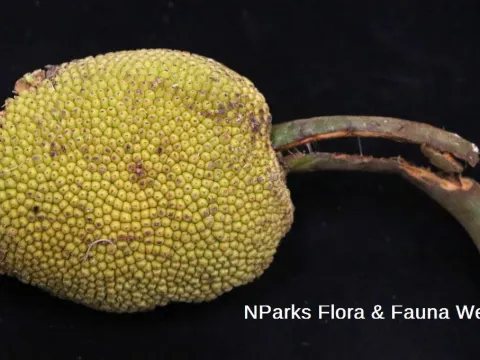
Artocarpus glaucus
Artocarpus glaucus
Artocarpus glaucus is a member of the Moraceae family, recognized for its stature and ecological role in the tropical rainforests of Southeast Asia. It is an evergreen species that thrives in warm, humid environments.
What the section contains
Artocarpus glaucus
The tree prefers stable climatic conditions where temperatures remain consistent year-round. It requires a significant amount of annual rainfall and high relative humidity to maintain optimal metabolic activity and fruit development.
Regarding soil requirements, the tree demands well-drained, nutrient-rich substrates. It does not tolerate waterlogged soil, as this frequently leads to physiological stress and the development of root pathogens.
In a managed setting, it is important to provide sufficient space for canopy expansion. Adequate spacing ensures that each individual tree receives maximum sunlight, which is crucial for overall health and biomass accumulation.
The economic value of this crop is primarily focused on its durable timber, which is highly valued for construction and joinery, alongside its potential use as a genetic resource in tropical agroforestry programs.
The primary threats to Artocarpus glaucus include root rot diseases caused by soil-borne fungi. These infections are often triggered by improper water management and poor drainage in plantations.
Common insect pests include scale insects and mealybugs, which colonize the undersides of leaves and young stems. Their feeding activity drains vital nutrients from the plant, causing chlorosis and stunted growth.
Foliar diseases, such as anthracnose, pose a significant risk during periods of high humidity and rainfall. The symptoms typically involve irregular dark spots that can merge, leading to premature leaf abscission.
Monitoring for signs of infestation or infection is a critical component of standard management. Implementing integrated pest management (IPM) strategies helps minimize chemical usage while maintaining plantation health.
Proper pruning practices are essential to improve air circulation within the canopy, which naturally suppresses the development of fungal spores and helps maintain a healthy tree architecture.