
Artocarpus hirsutus
Artocarpus hirsutus
Description
Sowing dates
Propagation of Artocarpus hirsutus is primarily achieved through seeds, which should be planted immediately after extraction due to their short-lived viability.
For successful germination, seeds require high humidity and consistent soil temperatures ranging between 25 and 30 degrees Celsius, mimicking rainforest conditions.
Seeds should be sown in deep, well-draining containers to accommodate the rapid development of the primary taproot characteristic of the Moraceae family.
In commercial orchards, grafting is a common practice, using superior cultivars as scions on robust seedlings to ensure consistent fruit quality and faster maturity.
Transplanting to the field is most successful at the onset of the monsoon season, providing young trees with the necessary moisture to establish a healthy root system.
Growing requirements
This species thrives in tropical climates characterized by high rainfall, typically exceeding 1500 mm annually, with no prolonged dry spells.
Deep, fertile, and well-drained alluvial or loamy soils are ideal for optimal growth, as the tree is intolerant of waterlogged conditions and poor aeration.
Artocarpus hirsutus requires protection from frost and cold winds, as it is strictly a tropical species native to the Western Ghats region of India.
Full sun exposure is preferred for adult trees to maximize photosynthetic efficiency, although partial shade can be beneficial for young seedlings.
Proper soil pH, typically in the neutral range, is essential for ensuring that the tree can effectively uptake the required micronutrients and minerals for development.
Yield
Fruit production typically commences within 5 to 7 years post-planting, depending on local environmental factors and the specific cultivar management.
A mature tree can yield between 50 and 150 fruits per season, which are highly valued for their sweet pulp and nutritional content in local markets.
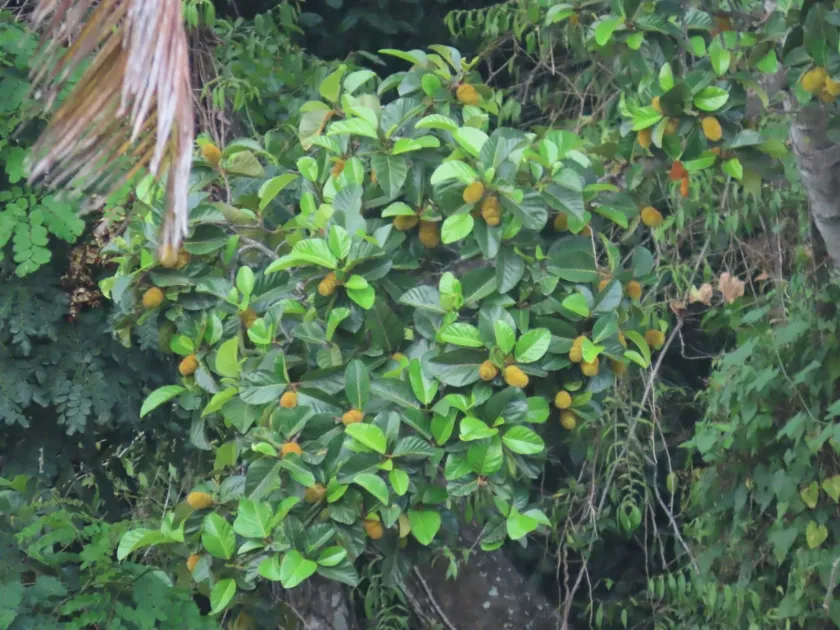
Harvesting is determined by the transition of the fruit's color to a brownish-yellow hue and the release of a distinct, pleasant, and sweet aroma.
The fruit serves as an important food source for local communities, used fresh or processed into traditional preserves, jams, and various culinary preparations.
Beyond its fruit production, the wood of Artocarpus hirsutus is highly prized for its durability and resistance to decay, serving as valuable timber for construction.
Main diseases and pests
Fruit flies pose a major threat to the crop, often infesting the ripening fruits and significantly reducing the total marketable yield during the peak season.
Root rot, primarily caused by Phytophthora species, is a common pathological issue in areas with poor drainage or during periods of excessive rainfall.
Scale insects and mealybugs can colonize the foliage, draining plant resources and often leading to the growth of sooty mold on the leaves.
Good orchard sanitation, including the prompt removal of fallen or infested fruits, is a critical management practice to control pest and disease populations.
Pruning is essential not only for canopy shape but also to improve airflow, which significantly lowers the humidity levels that favor fungal development.
Harvesting
Harvesting involves careful hand-picking, often requiring shears, as the tree exudes a sticky latex that can cause irritation and complicate handling.
Care must be taken during the harvest to ensure that branches remain intact, as they are susceptible to damage due to the weight of the developing fruit.
Post-harvest shelf life is relatively short, requiring efficient logistics to transport the fruit to markets or processing facilities soon after being picked.
Handling during transport requires protective cushioning to prevent bruising, which would otherwise accelerate decay and lower the aesthetic value of the produce.
For storage, fruits should be kept in cool, well-ventilated conditions to maintain their texture and sweetness for as long as possible before consumption.