
Artocarpus gomezianus
Artocarpus gomezianus
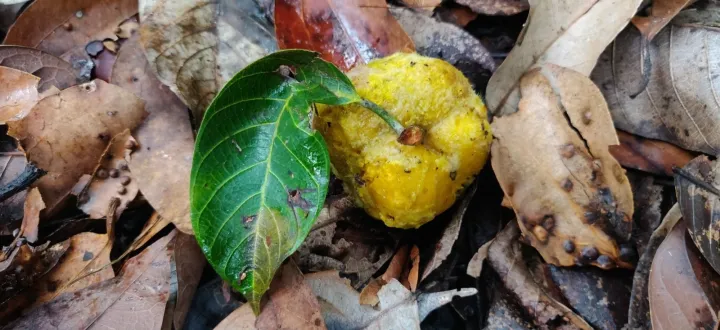
Description
Growing requirements
Artocarpus gomezianus is a member of the Moraceae family, closely related to other economically significant breadfruit species. This tropical tree species is native to humid forest regions of Southeast Asia, thriving in environments characterized by consistently high humidity and rainfall.
Cultivation of this species requires deep, well-drained, and nutrient-rich soils. It is highly sensitive to waterlogging, which often leads to root rot; therefore, selecting sites with excellent natural or artificial drainage is mandatory for successful orchard establishment.
The tree performs optimally in tropical climates with temperatures ranging from 24°C to 32°C. It is extremely vulnerable to frost and cold drafts, meaning that commercial cultivation is strictly limited to frost-free tropical or subtropical zones with mild seasonal variations.
Full sun exposure is essential for the development of a healthy canopy and high fruit production. While young seedlings can tolerate partial shade, mature trees require consistent solar radiation to maximize photosynthetic output and carbohydrate storage in the fruits.
Maintenance practices include regular applications of organic matter and balanced fertilizers to support the vigorous growth of the tree. Mulching around the base is recommended to stabilize soil moisture levels and suppress weeds during the initial years of development.
Yield
The yield of Artocarpus gomezianus is significantly influenced by the tree's maturity and the quality of agricultural care provided. Mature trees exhibit a reliable cropping pattern, often producing fruit multiple times per year, which is a major advantage for producers.
The fruit of this species serves as a valuable nutritional resource, containing significant amounts of carbohydrates and essential micronutrients. Beyond its direct consumption, the fruit is traditionally processed in various culinary applications within its native range.
Timber utilization represents a secondary economic value of the tree. When trees pass their peak fruit-bearing age, the high-quality wood can be harvested for carpentry and construction, providing additional revenue for farmers and promoting sustainable land use.
Standard orchard management involves thinning out overcrowded branches to enhance light penetration, which directly correlates to an increase in fruit size and overall yield. Proper tree spacing is also vital to prevent resource competition between mature individuals.
Harvesting is typically done by hand, as the fruits are delicate and prone to physical injury. Maintaining a strict harvesting schedule is necessary to ensure optimal post-harvest shelf life and market value for the local and regional produce trade.
Main diseases and pests
Fungal pathogens represent the primary threat to Artocarpus gomezianus, particularly in regions with excessive humidity or poor soil aeration. Root rot and fungal leaf spots are common issues that require integrated pest management strategies.
Insect pests, such as mealybugs and various leaf-eating beetles, can cause significant damage to the foliage, especially on young or stressed trees. Biological control agents are often used in modern plantations to minimize the reliance on chemical pesticides.
Boring insects, including wood-borers, can penetrate the trunk, causing systemic decline and physical instability. Regular monitoring for signs of sawdust or holes in the bark is crucial for early detection and mitigation of these infestations.
Soil-borne pathogens like nematodes can stunt the development of younger plants, making them more vulnerable to secondary infections. Using certified, healthy nursery stock is the most effective preventative measure against such soil health issues.
Environmental stress, such as drought or prolonged waterlogging, further weakens the tree's natural defenses, making it more susceptible to various pests. Maintaining optimal water management and tree vigor is key to sustaining production over the long term.