
Artocarpus anisophyllus
Artocarpus anisophyllus
Description
Growing requirements
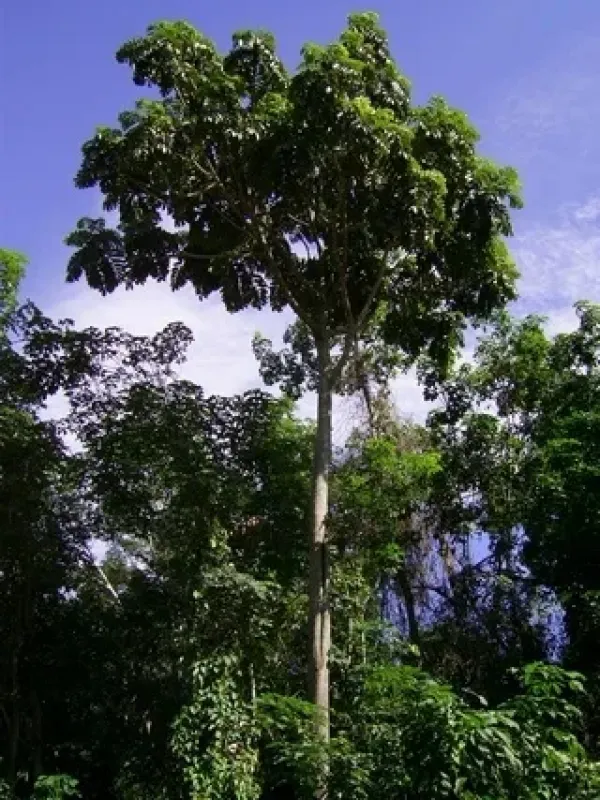
Artocarpus anisophyllus is a tall, evergreen tree belonging to the Moraceae family. Native to the lowland tropical rainforests of Southeast Asia, including Borneo and Malaysia, this species can reach heights of up to 30 meters in its natural habitat.
The tree requires a humid tropical climate to thrive, characterized by high temperatures and consistent rainfall throughout the year. It does not tolerate frost or prolonged drought, making it suitable only for specific equatorial regions.
Optimal growth conditions involve deep, well-draining loamy soils. Waterlogged conditions are detrimental to the root system, so proper land preparation with effective drainage is essential for establishing a healthy plantation.
Light requirements are significant; while saplings may benefit from partial shade, mature trees require full sunlight to support the high energy demands of fruit production and crown development.
Agricultural management includes site selection that mimics the natural forest structure but provides enough space between individual trees to ensure proper airflow and light penetration, which is vital for preventing disease outbreaks.
Yield
The fruit of Artocarpus anisophyllus is highly regarded in local communities for its distinctive flavor profile. The edible flesh is often described as sweet and aromatic, making it a popular delicacy in its native range.
Seeds of the tree are also edible and typically consumed after roasting or boiling. They provide a source of protein and starch, contributing significantly to the dietary needs of local populations in forest-fringe areas.
Beyond its culinary value, the timber is prized for its durability and resistance to decay. It is frequently utilized in local construction, cabinet making, and the manufacturing of traditional handicrafts and light watercraft.
Yield cycles are seasonal, typically following the rhythm of the rainy season. Productivity varies depending on the tree's health and age, with mature individuals yielding significant amounts of fruit under favorable weather conditions.
Farmers often combine the harvesting of these fruits with agroforestry practices, allowing for sustainable land use that preserves the local ecosystem while maintaining a steady supply of high-value agricultural products.
Main diseases and pests
Fruit flies and various boring insects are primary pests that can significantly impact crop quality. These organisms damage developing fruits, often rendering them unsuitable for sale if left unmanaged.
Fungal infections, often triggered by excessive humidity or poor ventilation in the canopy, pose a constant threat to the overall health of the tree, potentially leading to root rot or bark lesions.
Wild animals, ranging from monkeys to various bird species, are known to forage on the ripening fruits. This necessitates the use of netting or active monitoring to protect the harvest from loss before it can be collected.
Competition from fast-growing invasive weeds and parasitic vines can stunt the development of young trees, requiring manual clearing and maintenance of the surrounding orchard floor to ensure vigorous growth.
Environmental degradation and habitat loss in Southeast Asia threaten the natural genetic diversity of the species, emphasizing the importance of sustainable cultivation and conservation initiatives for the long-term survival of the crop.