
Chickrassy
Chukrasia tabularis A.Juss
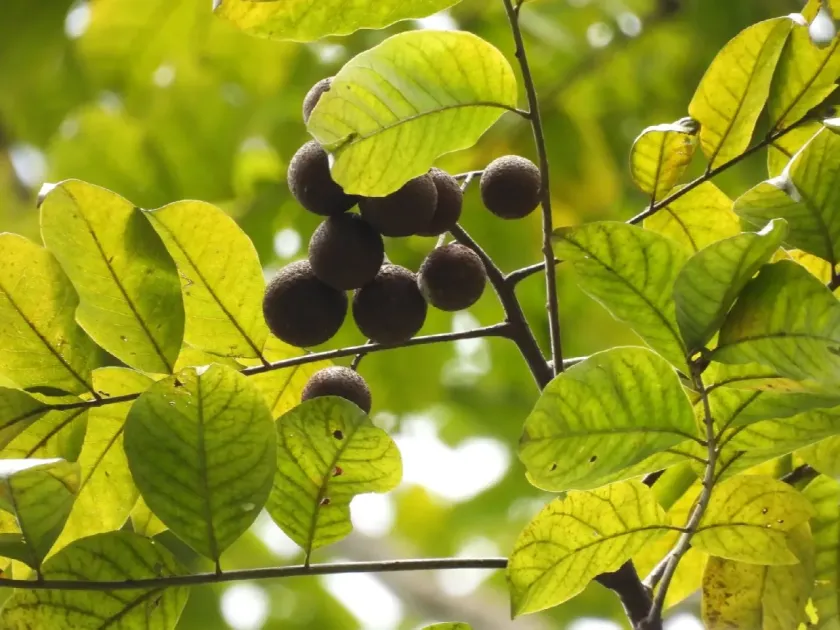
Description
Sowing dates
Propagation is primarily achieved via seeds collected from woody capsules. The seeds are light and winged, which facilitates their dispersal in nature, but controlled collection is necessary for plantation forestry.
Sowing should be carried out in a sterile nursery medium to prevent early-stage seedling blight. Maintaining a consistent temperature above 25°C is critical to ensure a high germination rate for the seeds.
The optimal planting season coincides with the onset of monsoon rains. This ensures that seedlings receive the hydration needed to establish their root systems before the harsher, drier months begin.
Regular maintenance of the nursery bed, including precise irrigation management and protection from direct midday sun, is essential during the first months of development.
When transferring seedlings to the field, maintaining sufficient spacing is important to encourage straight trunk formation, which is essential for the future value of the timber harvest.
Growing requirements
Chukrasia tabularis, commonly known as Chickrassy, is a notable member of the Meliaceae family. It is a large, fast-growing deciduous tree, often reaching heights of 30 meters in favorable forest conditions.
Native to tropical regions of South and Southeast Asia, this species thrives in varied ecological niches. It is particularly well-adapted to the moisture-rich environments of tropical forests and lowland plains.
The tree demands deep, well-draining, and nutrient-rich soils for optimal growth. It is highly sensitive to waterlogged conditions, which can quickly compromise the health of its root system.
Climatic requirements focus on tropical stability: temperatures between 20°C and 30°C and abundant annual rainfall are ideal. It is a heliophilous species that benefits from full sunlight once the tree is well-established.
Economically, the species is highly valued for its hardwood, known for its beautiful figure and durability. It is extensively utilized in luxury cabinetry, high-end furniture manufacturing, and architectural interior finishes.
Main diseases and pests
The primary threats to Chickrassy plantations include shoot-boring insects. These pests target the apical buds of young trees, causing stunted or distorted growth that negatively affects wood quality.
Fungal pathogens associated with root rot are significant concerns, especially in areas with poor drainage or during exceptionally high rainfall seasons. These infections can be lethal if left unmanaged.
Biosecurity and regular health monitoring are critical. Early detection of leaf-eating larvae or stem borers allows for localized management, preventing the need for broad-spectrum chemical treatments.
Environmental stress, such as extreme drought or fire, can significantly weaken the trees, making them more susceptible to secondary infestations of bark beetles or fungal outbreaks.
Integrated Pest Management (IPM) strategies, which prioritize thinning for airflow and maintaining soil health, remain the most sustainable approach to protecting these valuable timber stands.