
Andiroba
Carapa guianensis Aubl.
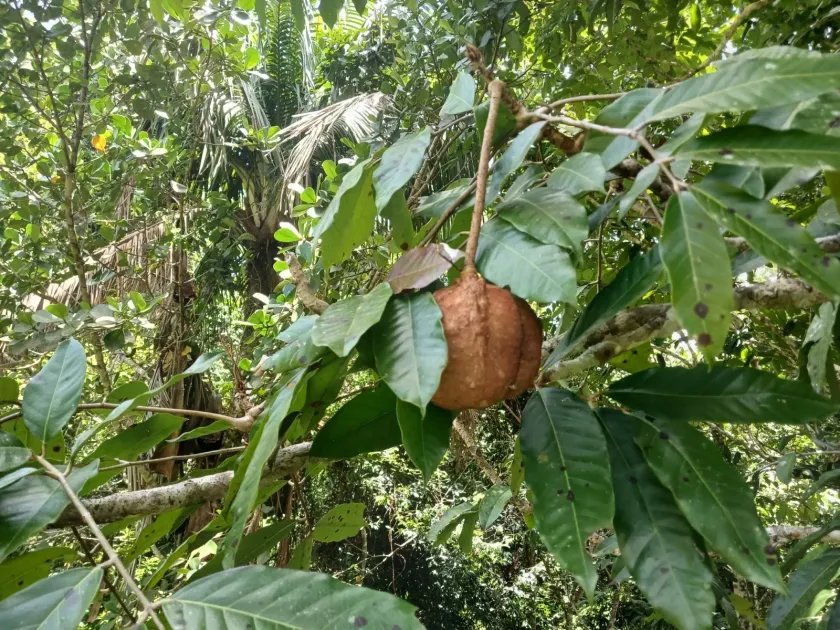
Description
Growing requirements
Andiroba (Carapa guianensis Aubl.) is a tall evergreen tree belonging to the Meliaceae family. In its natural environment, the plant can reach heights of up to 30–50 meters with a trunk diameter of over one meter.
Normal development of this crop requires a hot and humid tropical climate. Optimal temperatures range from 22–28°C, and the plant is highly sensitive to frost and prolonged periods of drought.
The tree prefers deep, fertile, and well-drained soils. The crop develops most actively in river floodplains and swampy forests of the Amazon, where there is a high content of organic matter in the substrate.
Agrotechnics for cultivation include maintaining high air humidity and protecting young seedlings from direct scorching sun during their first years of life. In industrial scales, trees are planted using a sparse scheme to ensure full crown development.
The crop is a valuable source of wood and seeds from which medicinal oil is obtained. Due to a high content of limonoids, the plant possesses distinct insecticidal properties that protect it from many natural damaging factors.
Yield
The productivity of a single mature andiroba tree can reach significant volumes. The primary commercial product is the seeds, which contain up to 60% fatty oil, widely used in the cosmetic industry.
Yield depends on the age of the tree and growing conditions. Fruiting begins after the plant reaches maturity, which typically happens 10–15 years after planting.
Andiroba oil is extracted by cold pressing the seeds. In addition to food purposes, it is highly valued for its antiseptic and anti-inflammatory qualities in dermatology and the production of repellents.
Andiroba wood is valued for its durability and resistance to termites, making it a popular material in carpentry. This provides additional economic efficiency when operating plantations of this crop.
Fruit harvesting is mainly carried out manually after they have naturally fallen. This requires labor organization during the ripening season to minimize raw material losses in tropical forest conditions.
Main diseases and pests
Andiroba is relatively resistant to many typical tropical forest pests due to the presence of specific bitter substances in its tissues, known as limonoids.
The main threat to young seedlings is fungal diseases, which develop when there is excessive water stagnation in the soil or poor ventilation of the plantation.
Pests such as wood borers and certain types of caterpillars can attack the trunk and leaves, but with proper monitoring of insect populations, damage remains within acceptable limits.
An important risk factor is the uncontrolled logging of natural habitats, which limits genetic diversity and hinders the natural regeneration of the crop.
Disease prevention consists of following agrotechnical standards, ensuring proper drainage, and regular sanitary pruning of trees on plantations.