
Neolitsea zeylanica
Neolitsea zeylanica
Description
Growing requirements
Neolitsea zeylanica is a prominent member of the Lauraceae family. It is an evergreen tree native to the tropical forests of India, Sri Lanka, and parts of Southeast Asia, where it thrives in humid environments.
The plant requires a specific climate with high ambient humidity and protection from harsh direct sunlight, especially during its initial growth phases. It naturally prefers well-drained, acidic to neutral soil types.
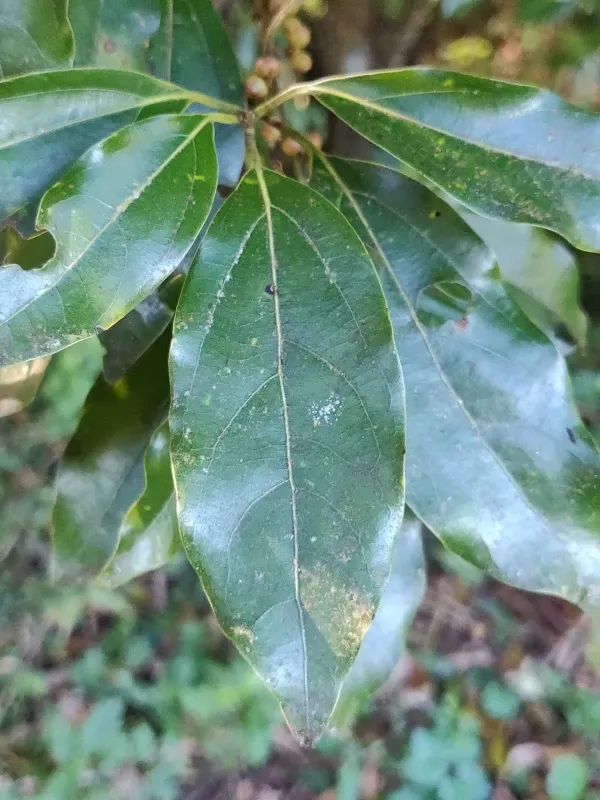
Botanically, it is recognized by its lanceolate, leathery leaves which are aromatic when crushed. Its inflorescences are distinct, appearing as dense axillary clusters that reflect its classification within the Neolitsea genus.
Successful cultivation depends heavily on soil aeration and nutrient richness. Organic amendments are highly recommended to sustain the tree's health and ensure consistent leaf production for oil extraction purposes.
Economically, the species is valued for its volatile oils used in pharmaceutical and cosmetic industries. Furthermore, the tree plays an important role in local biodiversity and traditional forestry practices.
Main diseases and pests
Root rot is the most common threat to Neolitsea zeylanica, usually caused by improper soil drainage and excessive moisture accumulation. Proper site selection and land grading are essential to prevent this issue.
Leaf-feeding insects, such as aphids and mites, can significantly stunt tree development if left unchecked. Early detection through periodic foliage inspection is the most effective management strategy.
Anthracnose and other fungal leaf spots may occur in environments with poor air circulation. Improving spacing between trees can significantly reduce the incidence of these fungal pathogens.
Stem-boring beetles may infest trees that are already stressed by poor fertilization or physical damage. Keeping the trees healthy through regular maintenance is the primary line of defense.
Integrated pest management (IPM) practices, including the use of neem-based oils or biological controls, are preferred over synthetic pesticides to maintain the quality of the plant's essential oil derivatives.