
Ocotea cuneata
Ocotea cuneata
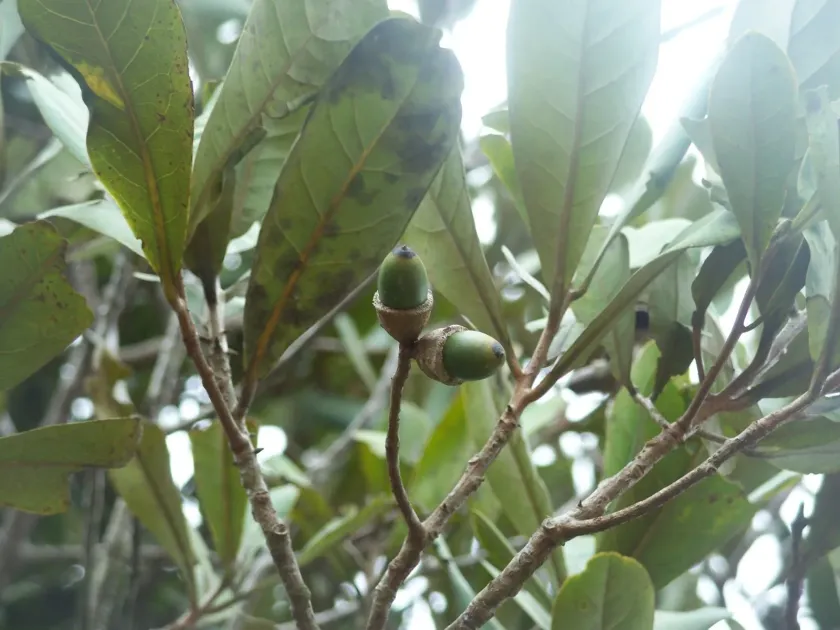
Description
Growing requirements
Ocotea cuneata is a tree species belonging to the Lauraceae family, native to the neotropical regions of Central and South America. It is recognized for its significant role in the structure of humid tropical forest ecosystems.
The cultivation of this species requires specific environmental conditions, primarily high atmospheric humidity and consistently warm temperatures. Well-drained, nutrient-rich forest soils are essential for the optimal establishment and development of the root system.
In terms of agricultural management, the species thrives in environments that replicate its natural habitat. Adequate rainfall distribution throughout the year is critical, as the species does not possess strong mechanisms to survive prolonged drought.
Botanically, the tree is characterized by its distinct leaf morphology and growth pattern, which allows it to thrive in the competitive environment of the tropical canopy. Its growth rate is generally moderate, depending on the availability of light and soil nutrients.
The primary economic use of this culture is for its high-quality timber, which is valued for its durability and resistance to decay. Sustainable management practices are often employed to ensure the long-term viability of these timber resources.
Main diseases and pests
The health of Ocotea cuneata stands is frequently challenged by fungal pathogens that target the root system, particularly in areas where water drainage is inadequate. Managing soil moisture is the primary preventative measure.
Wood-boring insects represent a major threat, as they can cause extensive damage to the trunk and wood quality. Integrated pest management strategies, including regular monitoring, are required to mitigate these risks in commercial plantations.
Competition from aggressive secondary vegetation and vines can severely impact the growth of younger trees. Silvicultural practices, such as weeding and thinning, are necessary to protect the developing stands from overcrowding.
Climatic instability poses an indirect threat by shifting the optimal zones for growth and potentially increasing the prevalence of native pathogens. Long-term research is vital to understand how these trees adapt to changing environmental conditions.
Maintaining high genetic diversity within plantations is recommended to improve overall resilience against pests and diseases. Regular sanitation cuts and removal of infected individuals help keep the remaining population healthy and productive.