
Neolitsea aciculata
Neolitsea aciculata
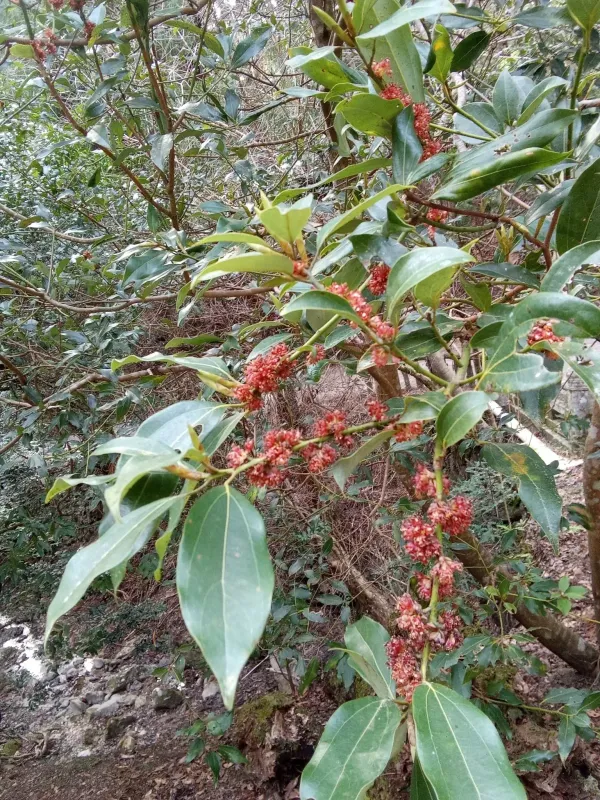
Description
Growing requirements
Neolitsea aciculata is an evergreen tree belonging to the Lauraceae family, widely recognized for its elegant foliage and aesthetic appeal. The plant typically develops as a small to medium-sized tree, characterized by smooth bark and lanceolate leaves with a distinct texture.
The species is native to East Asia, including regions in Japan, China, and Korea. In its natural habitat, it thrives in warm-temperate and subtropical forest zones, where it acts as a significant component of the local ecosystem's understory vegetation.
For successful cultivation, Neolitsea aciculata requires well-drained, slightly acidic soil rich in organic matter. Proper soil aeration is crucial to prevent root rot, especially in container-grown specimens or areas with high rainfall density during the growing season.
Climate requirements include protection from freezing temperatures and high-intensity, cold winds. While it is hardy in many subtropical regions, young plants require shading and sheltered positions to establish their root systems effectively during the first few years.
The economic and practical utility of this species is largely decorative and ecological. It is widely used in landscape architecture to provide year-round green coverage, and its wood has been historically valued in specific local industries for fine woodworking and craft applications.
Main diseases and pests
Common phytosanitary issues include fungal infections and infestations of scale insects that attack the foliage and bark. Regular monitoring and integrated pest management (IPM) strategies, such as pruning infected branches, are essential to maintain the health of the tree and prevent outbreaks.