
Silky Neolitsea
Neolitsea sericea
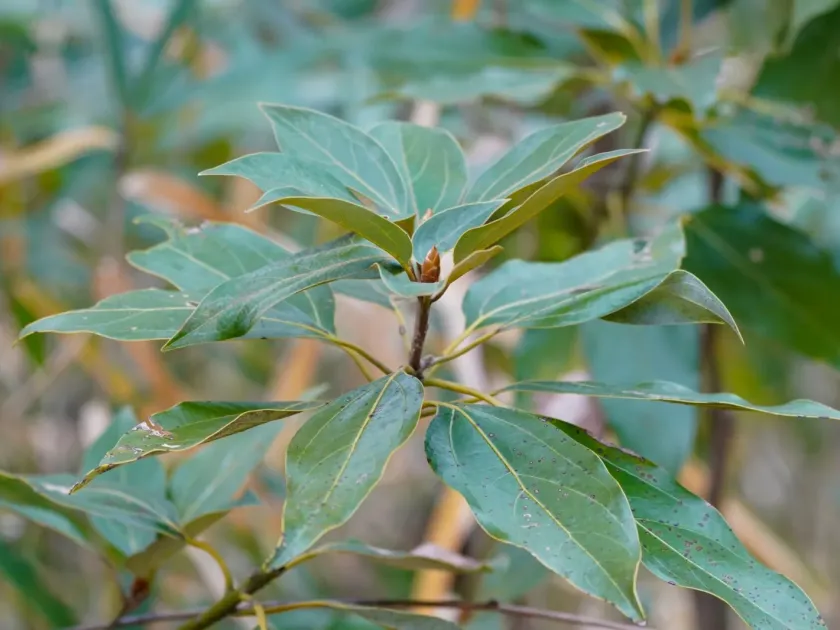
Description
Growing requirements
Silky Neolitsea (Neolitsea sericea) belongs to the Lauraceae family and is recognized for its elegant foliage and evergreen habit. Native to East Asia, it serves as a prominent ornamental shrub in temperate to subtropical landscapes.
The plant thrives in well-drained, nutrient-rich soils that maintain consistent moisture without becoming waterlogged. Ideal soil types include loamy or sandy substrates enriched with peat or compost, ensuring an acidic to neutral pH balance.
Regarding climate, this species prefers regions with moderate temperatures and high humidity levels. While it can withstand mild frosts, extreme temperature drops require additional protection, such as mulching around the root base to keep the soil temperature stable.
Placement is essential for healthy growth; the plant performs best in locations offering filtered light or partial shade. Full sun exposure is acceptable only in cooler climates, provided that the soil moisture levels are meticulously maintained throughout the growing season.
Ongoing maintenance involves periodic fertilization with balanced mineral fertilizers during spring and early summer. Proper pruning practices, carried out after the flowering period, help maintain the desired plant shape and improve the overall density of the shrub.
Main diseases and pests
Root rot caused by Phytophthora species is a primary concern in poorly drained soils. Farmers must ensure proper site selection and use preventative fungicide applications to maintain root health.
Common insect pests include scale insects and aphids, which often target the underside of the leaves. Manual removal or the application of horticultural oils is recommended for effective pest management in small-scale plantings.