
Litsea
Litsea Lam.
Litsea (Litsea Lam.) is a genus of evergreen trees and shrubs belonging to the Lauraceae family. Native to tropical and subtropical regions of Asia, these plants are renowned for their aromatic properties and biological diversity.
What the section contains
Litsea
The cultivation of Litsea requires a warm, humid climate with minimal temperature fluctuations. Ideally, the plants thrive in areas where temperatures stay consistently above freezing throughout the growing season.
Soil requirements for Litsea include fertile, well-draining substrates with a neutral or slightly acidic pH. Proper drainage is critical to prevent root suffocation, especially in high-rainfall environments where water stagnation is common.
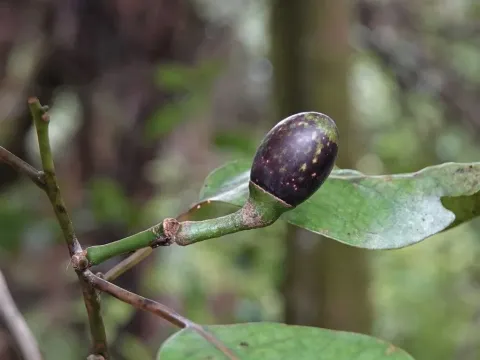
Botanically, the plant features alternate, leathery leaves and small flowers organized in umbels. The fruits are small, oil-rich drupes that serve as the primary source for the extraction of highly valued essential oils.
Commercially, Litsea is cultivated primarily for its essential oil, which is rich in citral. This oil is extensively utilized in the fragrance industry, culinary flavoring, and various therapeutic preparations due to its antimicrobial properties.
Root rot is the most common disease affecting Litsea, usually caused by poor soil drainage and waterlogging. Maintaining a proper irrigation schedule is essential for the long-term health of the plantations.
Pest management focuses on controlling aphids and scale insects that infest the foliage. Regular inspections and the implementation of integrated pest management practices are recommended to protect the essential oil yield.