
Jensen's Cinnamon
Cinnamomum jensenianum
Description
Growing requirements
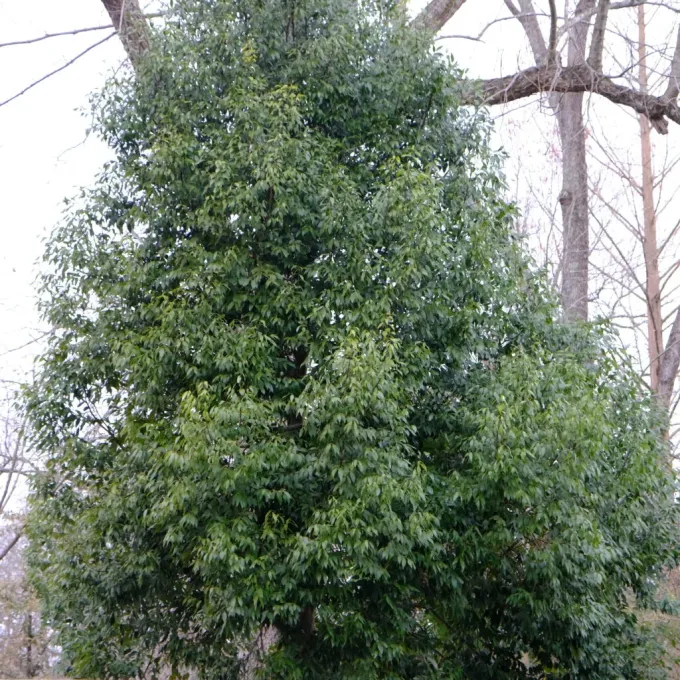
Jensen's Cinnamon (Cinnamomum jensenianum) is a rare evergreen tree species belonging to the Lauraceae family. It is native to the mountain forests of China and represents a niche but highly specialized crop in the broader category of botanical aromatics.
The plant thrives in humid subtropical environments. Climate requirements necessitate a balanced temperature range with no severe winter frost, as the species is sensitive to sudden drops in temperature which can damage the tender bark and foliage.
For soil cultivation, the tree requires well-draining, nutrient-dense substrates. Organic richness is essential, as the species does not perform well in nutrient-poor or compacted soils. A slightly acidic to neutral pH is considered ideal for nutrient uptake.
Agricultural management requires careful attention to irrigation levels. While the plant loves humidity, stagnant water around the root zone is detrimental. Drip irrigation or overhead misting systems are often used in controlled environments to maintain the necessary leaf hydration.
Given its origin in mountain ecosystems, the tree prefers protection from strong, drying winds. Strategic planting in sheltered areas or the use of windbreaks is recommended to maintain the structural integrity of the trees as they mature.
Harvesting
The primary economic use of Cinnamomum jensenianum is the extraction of essential oils and the harvesting of aromatic bark. The bark contains specific compounds that are highly valued in the production of high-end culinary spices and traditional medicines.
Harvesting techniques involve stripping the outer layers of the bark at specific intervals, ensuring the cambium layer remains intact to allow for regeneration. Over-harvesting can lead to permanent damage, so a rotational harvesting cycle is strictly maintained.
Post-harvest processing involves controlled drying. The material is kept in shaded, well-ventilated areas to prevent the rapid evaporation of volatile compounds, which are crucial for the quality profile of the final product.
Leaves are also collected periodically, usually as a byproduct of maintenance pruning. These leaves are processed via steam distillation to isolate volatile aromatic oils used in the pharmaceutical industry and perfumery.
Storage of the finished product requires hermetically sealed containers to prevent oxidation. Maintaining stable humidity levels during storage is vital for preserving the potency and characteristic scent of the cinnamon.