
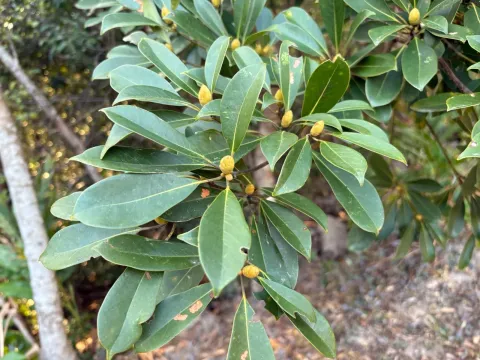
Machilus
Machilus Nees
Machilus is a genus of evergreen trees and shrubs belonging to the Lauraceae family. These plants are native to the warm, temperate, and tropical regions of Asia, including key distributions in China, Japan, and parts of the Himalayas.
What the section contains
Machilus
The cultivation of Machilus requires specific environmental conditions that mimic their natural forest habitats. They thrive best in areas with high humidity, ample rainfall, and a mild climate where frost damage can be avoided or managed through protective measures.
Regarding soil preferences, these plants demand deep, fertile, and well-drained substrates. They generally perform well in slightly acidic to neutral soils that are rich in organic matter, reflecting the leaf litter accumulation typical of their native ecosystems.
While seedlings and young trees show significant shade tolerance, allowing them to establish beneath the canopy, mature specimens often require increased light exposure to optimize growth rates and promote healthy development.
A successful agricultural approach involves consistent soil moisture management and the application of mulches to simulate a natural forest floor. Ensuring effective drainage is crucial, as the species is prone to root distress if water remains stagnant for prolonged periods.
The economic utility of Machilus is diverse, with forestry for timber production being a primary focus. Its wood is highly valued in furniture making and construction for its structural integrity, attractive grain patterns, and moderate density.
Another major application involves the extraction of aromatic compounds from the bark and leaves. These natural resins are essential ingredients in the manufacturing of incense sticks and traditional perfumery, reflecting the species' historical and cultural importance.
In the landscape industry, Machilus is esteemed for its aesthetic qualities, particularly its glossy, deep green evergreen foliage. It is frequently utilized in botanical gardens and parks to provide year-round texture and structural interest.
Specific parts of the plant also serve in traditional craft applications, such as the production of specialized adhesives or paper sizing agents. These regional uses continue to support small-scale local economies in parts of East Asia.
Yielding significant biomass or timber is a long-term commitment, as Machilus is categorized as a slow-to-moderately growing species. Successful commercial production requires a stable growth cycle spanning several decades to reach peak value.
The primary threats to Machilus populations include various fungal pathogens that flourish in high-humidity environments. Root rot and stem blights are frequent issues, especially if the soil drainage is inadequate for the plant's physiological needs.
Pest pressures primarily include sap-sucking insects like aphids and various leaf-eating larvae. These pests can significantly stunt the growth of young nursery stock and reduce the vigor of mature trees if left unmanaged.
Wood-boring beetles present a more severe risk, as they tunnel through the trunk and branches. Infestations not only weaken the structural integrity of the tree but also render the timber unsuitable for high-quality commercial lumber.
Environmental stressors such as changing precipitation patterns and habitat loss pose significant risks to the health of Machilus stands. Such changes can alter the soil composition and moisture availability, making trees more susceptible to secondary infections.
To maintain healthy stands, agronomists emphasize the importance of regular monitoring, sanitary pruning to remove infected tissue, and the use of site-specific pest management strategies to protect the long-term economic investment.