
Damburneya coriacea
Damburneya coriacea
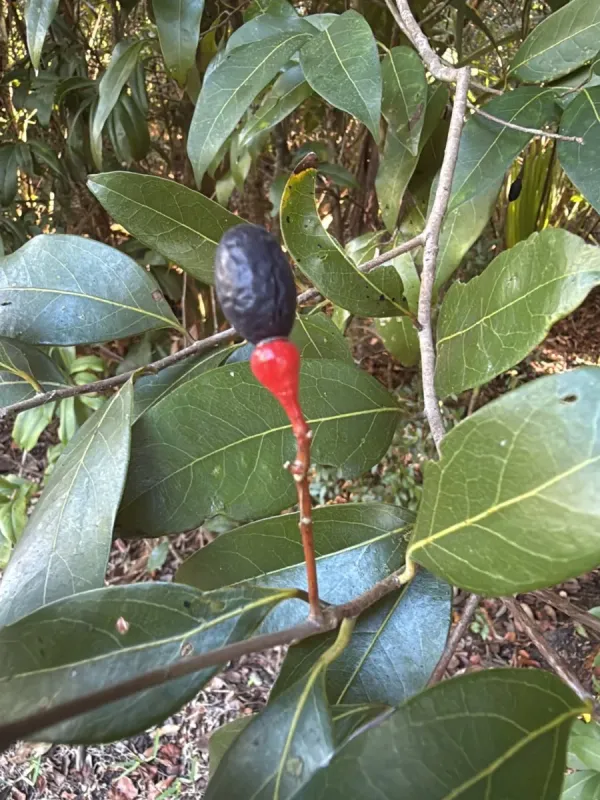
Description
Growing requirements
Damburneya coriacea, commonly known in the scientific community by its taxonomic name, belongs to the Lauraceae family. This evergreen species is recognized for its dense, leathery foliage that serves as an important component of the subtropical ecosystems where it originates.
The native range of this tree includes South Florida, the Caribbean islands, and parts of Central America. It thrives in tropical climates characterized by warm temperatures and humidity, requiring protection from frost throughout its entire growth cycle.
The species prefers well-drained, limestone-based, or sandy soils. Its ability to tolerate nutrient-poor environments makes it a resilient choice for ecological restoration projects, provided there is adequate sun exposure for canopy development.
Cultivation practices involve minimal intervention once the tree is established. Regular pruning is not strictly necessary for health but can be used to manage the size and shape of the tree in landscape applications.
Economically, the plant is primarily valued for its ecological contribution to biodiversity. Its wood, being dense and durable, has been historically utilized for small-scale furniture making and local woodworking crafts.
Main diseases and pests
The main threats to Damburneya coriacea include fungal pathogens that exploit high humidity and poor soil aeration. Preventing waterlogged conditions around the root zone is critical to maintaining the health of the tree.
Insect pests such as leaf miners and scale insects can impact the foliage. Integrated pest management strategies, focusing on biological controls, are recommended over broad-spectrum synthetic pesticides to preserve local insect populations.
Nutritional imbalances can make the tree susceptible to secondary infections. Ensuring a balanced soil profile, particularly regarding micronutrients, supports the tree's natural defense mechanisms against environmental stressors.
Young seedlings are particularly vulnerable to drought and mechanical damage. Providing temporary shade and consistent irrigation during the first year of growth significantly increases survival rates in field conditions.
Site selection plays a vital role in disease prevention. Planting in locations with sufficient natural airflow helps mitigate the accumulation of moisture within the dense foliage, thereby reducing the incidence of fungal outbreaks.