
Endiandra discolor
Endiandra discolor
Description
Growing requirements
Endiandra discolor is a distinguished member of the Lauraceae family, native to the lush subtropical and tropical rainforests of eastern Australia. This evergreen tree is adapted to the competitive environment of the forest understory, where it receives filtered light and high humidity.
Climate requirements for this species include consistent warmth and protection from frost, which can severely damage the canopy of young trees. It thrives in regions where rainfall is well-distributed throughout the year, ensuring the soil remains moist but not waterlogged.
Regarding soil preferences, the plant demands well-drained, nutrient-rich loamy substrates. It performs best in forest soils with a high content of leaf litter, which provides both nutrients and essential mycorrhizal fungi for root development.
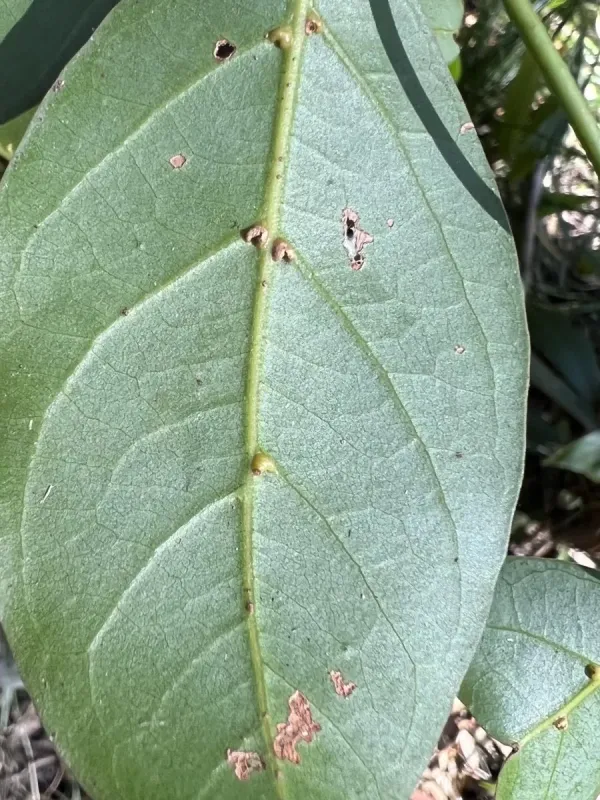
Botanically, Endiandra discolor is characterized by its smooth, grey-brown bark and glossy, alternate leaves that often exhibit distinct venation. The flowers are small and inconspicuous, followed by fleshy, single-seeded fruits that serve as a food source for local wildlife.
Economic and utility applications are largely restricted to specialized reforestation projects and environmental landscaping. While the timber is recognized for its durability and fine grain, the species is currently not a primary target for commercial timber plantations due to its slow growth rate.
Main diseases and pests
Typical threats include foliar pathogens such as leaf-spot fungi, which proliferate in environments with high humidity and stagnant air. These diseases can impair the tree's photosynthetic efficiency if not managed through proper canopy spacing.
Pests, particularly various larvae and wood-boring insects, can cause significant damage to young shoots and cambium. Effective pest management requires regular inspections and the preservation of natural predators within the ecosystem.
Root rot, driven by poor soil aeration and water accumulation, poses a critical threat to the tree's health. Planting on elevated mounds or ensuring slopes are used for drainage can significantly mitigate this risk in cultivation settings.
Competition from aggressive weed species is a major hurdle during the establishment phase. Without active maintenance of the base area, the slow-growing Endiandra discolor can easily be suppressed, leading to stunted development or mortality.
Climate change and prolonged drought periods represent environmental threats that can weaken the trees. Supplemental irrigation during extreme heat is essential to maintain the physiological functions of the plant until it reaches full maturity.