
Damburneya patens
Damburneya patens
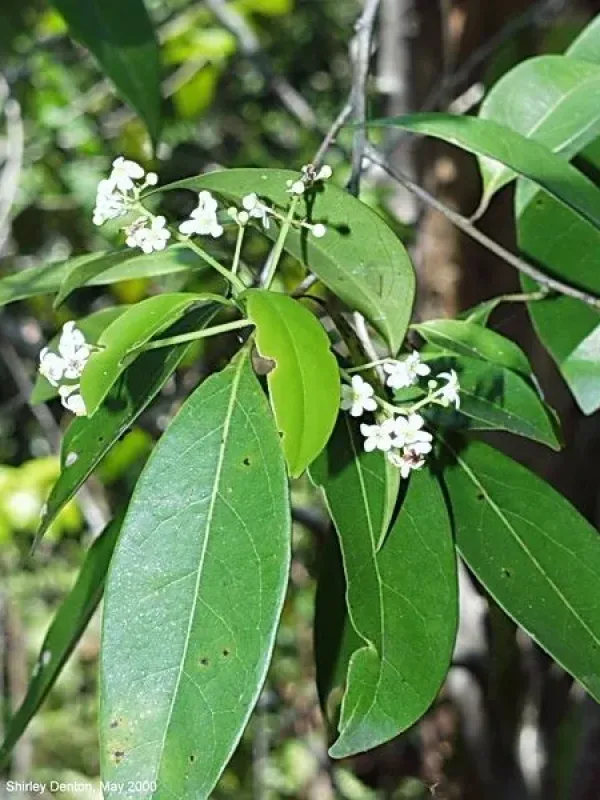
Description
Growing requirements
Damburneya patens is an evergreen plant species belonging to the Lauraceae family. Known for its specific ecological needs, it thrives in tropical environments, necessitating high humidity and stable thermal conditions to reach its full development potential.
Successful cultivation requires soil that is rich in organic matter and possesses excellent drainage properties. The species is highly sensitive to waterlogging, which often results in root rot and structural damage, making proper site preparation essential for farming success.
Environmental requirements include a consistent temperature range, generally staying between 20 and 28 degrees Celsius. Protection from direct, harsh sunlight and frost is vital, as the plant structure is primarily adapted to the understory or semi-shaded canopy regions.
Agronomic management involves regular monitoring of soil nutrient levels, particularly nitrogen and potassium, which are critical for leaf development. Irrigation should be managed through precise methods to maintain moisture without creating anaerobic conditions in the root zone.
Economically, this crop is valued for its potential use in the pharmaceutical industry due to unique bioactive compounds found in its tissues. Ongoing research aims to optimize harvesting methods to increase the yield of these high-value components.
Main diseases and pests
Root rot caused by Oomycetes and various fungi remains the most significant threat to Damburneya patens. Preventive measures, such as the application of biological fungicides and soil solarization, are recommended to maintain a healthy rhizosphere.
Pests such as scale insects and spider mites frequently cause damage by feeding on cell sap, leading to chlorosis and stunted growth. Integrated Pest Management (IPM) strategies, including the introduction of natural predators, have proven effective in controlled environments.
Leaf spot diseases, often triggered by insufficient air circulation, can spread rapidly if left unchecked. Pruning affected leaves and improving greenhouse airflow are the primary methods for containing these outbreaks without over-relying on chemical inputs.
The accumulation of soil-borne pathogens can be mitigated by strict sanitation practices in the nursery and cultivation area. It is important to disinfect all tools and surfaces to prevent cross-contamination between different batches of plants.
Early identification of pest cycles allows farmers to time interventions precisely, minimizing costs and environmental impact. Consistent records of crop health help in developing adaptive strategies tailored to the specific microclimate of the farm.