
Cryptocarya
Cryptocarya R. Br.
Cryptocarya is a significant genus of evergreen trees and shrubs belonging to the Lauraceae family. Comprising over 350 species, these plants are predominantly native to the tropical and subtropical regions across Australia, Asia, Africa, and the Americas, playing a vital role in local ecosystems.
What the section contains
Cryptocarya
The cultivation of these species necessitates a climate characterized by high humidity and stable temperatures. Ideally, they thrive in well-drained, nutrient-rich soils. Proper soil structure is essential for preventing root diseases, as the genus is highly susceptible to waterlogging in poorly aerated substrates.
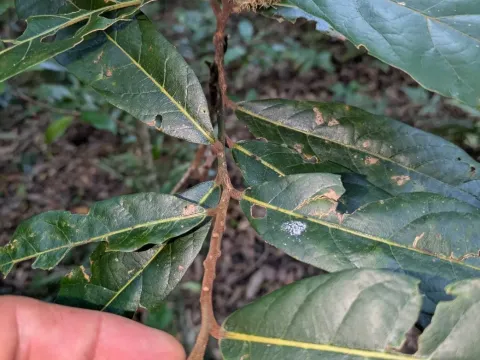
Botanically, Cryptocarya is distinguished by its alternate, leathery leaves and small, bisexual flowers. The fruit is a drupe, which is often partially or entirely enclosed by a fleshy perianth tube. This structure facilitates seed dispersal in natural environments by attracting local fauna.
Economically, various Cryptocarya species are valued for their high-quality, durable timber, which is frequently used in furniture manufacturing and local construction projects. Additionally, the plants are studied for their chemical compounds, including essential oils and alkaloids used in medicinal and cosmetic applications.
Agronomic practices for these trees focus on initial nursery management, providing adequate shade for saplings until they are sufficiently established. Maintaining a consistent moisture level is key, while systematic pruning is often applied in forest management to improve the quality and straightness of the main trunk.