
Swamp bay
Persea palustris
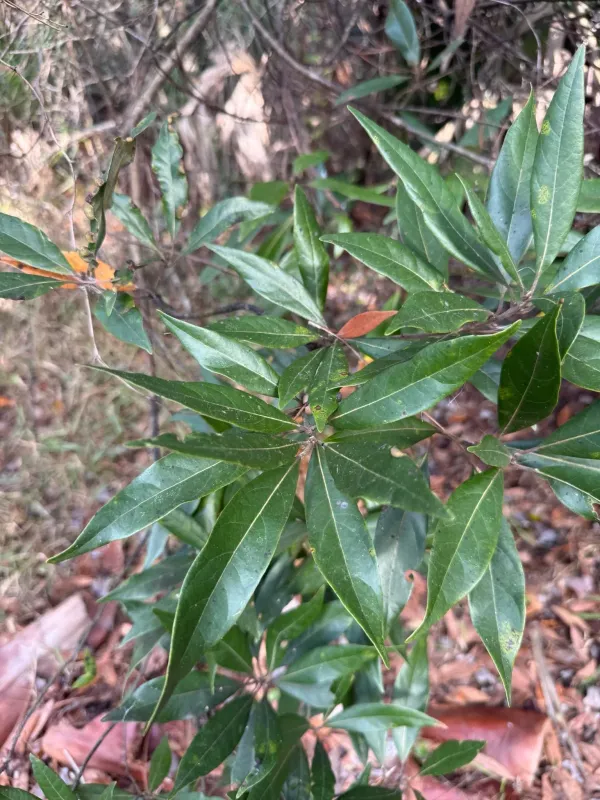
Description
Growing requirements
Swamp bay (Persea palustris) is a woody species within the Lauraceae family. It is native to the coastal plains of the southeastern United States, where it thrives in wetlands and hydric soil conditions.
The plant exhibits a remarkable adaptation to flooded or saturated environments. It requires acidic, nutrient-rich soils that provide consistent moisture throughout the growing season for optimal physiological performance.
Climatic requirements involve mild winters and long, warm growing seasons. While it prefers full sun exposure, it can tolerate the dappled light found in the understory of forest environments.
Agricultural management centers on maintaining proper soil pH levels. In managed landscapes, regular monitoring of water quality is essential to prevent the accumulation of minerals that could disrupt nutrient uptake.
The plant serves primarily as an ornamental specimen in botanical gardens or specialized landscaping projects. Its evergreen foliage makes it a popular choice for ecological restoration of riparian zones.
Main diseases and pests
The most significant threat to the health of Persea palustris is root rot caused by Phytophthora cinnamomi, a soil-borne pathogen that thrives in warm, moist conditions.
Pest pressure often comes from scale insects and spider mites, which can proliferate during periods of drought or if the plant is under excessive stress from poor site conditions.
Fungal leaf spots represent a minor but chronic issue in humid climates. These infections are typically managed through proper canopy airflow and targeted application of fungicides when necessary.
Nutrient deficiency, particularly iron or magnesium, can result in leaf yellowing, which should be corrected through precise fertilization rather than aggressive chemical treatment.
Integrated pest management (IPM) strategies, including encouraging natural predators and ensuring proper cultural conditions, are the most effective ways to maintain a healthy stand of swamp bay.