
Vietnamese cinnamon
Cinnamomum loureiroi
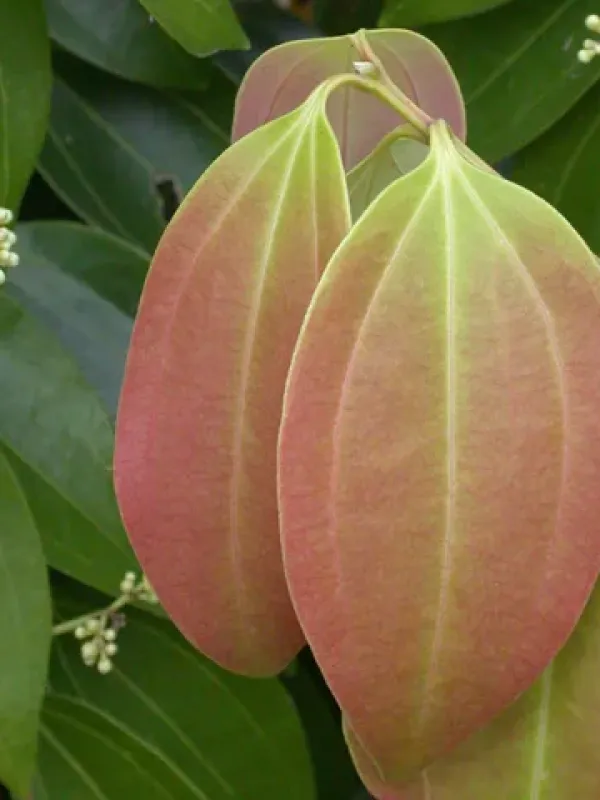
Description
Growing requirements
Vietnamese cinnamon (Cinnamomum loureiroi) is a prominent evergreen tree belonging to the Lauraceae family. Native to the mountainous regions of Vietnam, it is prized for the high oil content in its bark.
This species thrives in tropical climates characterized by high annual rainfall and consistent, warm temperatures. It is highly sensitive to frost, requiring a stable environment for optimal growth.
For successful cultivation, the crop requires deep, well-drained loamy soils. It cannot tolerate waterlogging, which often leads to root rot, so proper site selection with adequate slope or drainage is vital.
The trees need plenty of direct sunlight to maximize the development of essential oils. Proper spacing during planting is essential to ensure adequate airflow and prevent the buildup of humidity around the trunk.
Standard agricultural practices for this tree involve annual fertilization, regular weeding of the area around the base, and occasionally pruning the lower branches to facilitate easier access to the main stem.
Harvesting
The primary economic product is the bark, harvested from mature trees that are typically at least seven to ten years old. The harvesting period is strategically chosen to coincide with high sap flow.
During the harvest, workers carefully strip sections of the bark using specialized tools. This process requires precision to ensure the longevity of the tree and to promote successful bark regrowth.
Once harvested, the bark is air-dried in a controlled environment. Proper drying is crucial, as it prevents molding and ensures that the volatile aromatic compounds remain stable for the final product.
Beyond its culinary uses as a high-quality spice, Cinnamomum loureiroi is frequently used in traditional medicine for its warming and anti-inflammatory properties.
The global market recognizes this variety for its distinct, intense flavor profile, making it a highly valued commodity for export compared to other more common cinnamon species.