
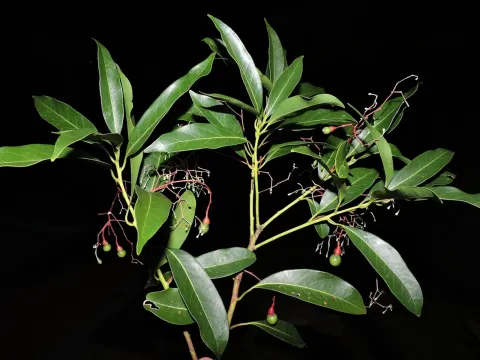
Aiouea saligna
Aiouea saligna
Propagation of Aiouea saligna is mainly carried out by seeds, as cuttings require strict adherence to temperature and humidity controls. The optimal time for sowing is during the spring months when daylight hours begin to increase, promoting germination.
What the section contains
Aiouea saligna
The seeds of this crop are known for their rapid loss of viability, so they must be sown immediately after harvest. The soil substrate should be lightweight, well-aerated, and pre-warmed to a temperature of at least 22–24 degrees Celsius.
In industrial production, seeds are sown in special cassettes or nursery flats with a drainage layer at the bottom. The depth of sowing is typically around 1.5–2 centimeters, ensuring optimal conditions for sprout emergence without unnecessary energy expenditure.
After the emergence of sprouts and the formation of two pairs of true leaves, mandatory transplanting into individual containers is performed. This allows the root system to develop more intensely, preparing the seedling for future planting.
A critical factor during the sowing stage is soil disinfection, which prevents the development of fungal infections, to which young Lauraceae seedlings are extremely sensitive during the initial weeks of their development.
Aiouea saligna is a member of the Lauraceae family, which dictates high requirements for heat and light. The crop prefers to grow in tropical and subtropical conditions where the average annual temperature does not drop below 18 degrees.
The plant thrives in fertile, humus-rich soils with good drainage, as waterlogging in the root zone is detrimental to this species. Slightly acidic or neutral soils, rich in organic matter, are preferred for healthy tree development.
The crop requires protection from strong winds and direct scorching midday sun at a young age, so shading is often provided when establishing plantations. Adult trees become more resistant to light fluctuations over time.
Moisture levels must remain stable: the plant does not tolerate prolonged dry periods or excessive soil saturation. Irrigation systems must ensure uniform moisture levels in the root zone throughout the growing season.
Aiouea saligna responds actively to the application of complex mineral fertilizers during the active growth period, especially to feedings with high nitrogen content and micronutrients that support green mass development.
The primary threats to Aiouea saligna are fungal diseases of the root system caused by poor irrigation management. Root rot can lead to rapid death of seedlings and adult specimens if proper control measures are neglected.
Among pests, the greatest danger is posed by insects that attack the leaf blade: scale insects and mealybugs. They feed on plant sap, which slows growth and reduces the overall resistance of the crop to environmental stress.
To prevent the spread of pests, it is necessary to regularly monitor the condition of the crowns and timely apply biological or chemical plant protection products that are approved for use on such tree species.
Anthracnose infection is also possible, with symptoms appearing as spots on the leaves. A humid and warm climate facilitates the rapid spread of this disease, necessitating preventive fungicide treatments.
Following crop rotation and spatial isolation rules helps to significantly reduce the risk of epiphytotics, thereby maintaining the productivity and longevity of the tree stands of this species.