
Aniba canelilla
Aniba canelilla
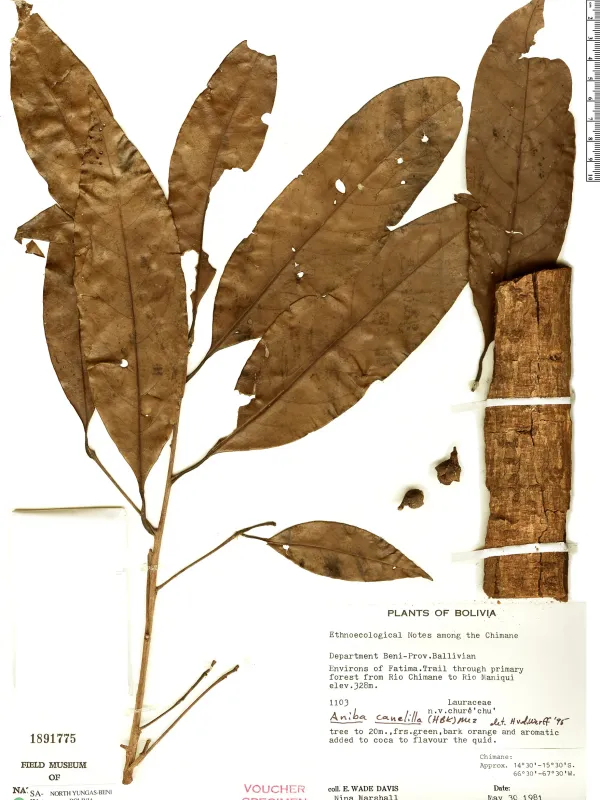
Description
Sowing dates
Propagation of Aniba canelilla in its natural environment occurs primarily through seeds. The seeds lose viability quickly, so sowing should be performed immediately after fruit collection in well-moistened substrate rich in organic matter.
In commercial cultivation, the container method in protected ground is preferred. This allows for precise control of humidity and temperature during the critical germination phase and the development of the first true leaves.
Transplanting young seedlings into open ground or their permanent location is done only after they reach sufficient height and develop a robust root system. The beginning of the rainy season is the optimal time for planting, as it ensures better survival rates.
Good agrotechnical practice requires maintaining strict distance between plants to prevent competition for sunlight and nutrients. Planting density is calculated based on production goals, whether it is for timber or aromatic raw material.
To accelerate growth, organic farming techniques are employed, including mulching around the tree base. This helps retain essential soil moisture and replicates conditions found in the tropical forest understory.
Growing requirements
This crop belongs to the Lauraceae family and is a typical representative of the Amazon basin tropical flora. The plant is highly demanding regarding climatic conditions, preferring stable high temperatures without sharp seasonal fluctuations.
Aniba canelilla requires rich, well-drained soils with acidic or neutral pH. Water stagnation in the root system is detrimental to the species, so drainage systems are mandatory in areas with heavy clay soils.
The plant prefers partial shade during its young age, mimicking the lower layers of a tropical forest. As the tree matures, it becomes more tolerant of direct sunlight but still requires protection from desiccating winds.
Optimal annual precipitation for proper development ranges from 2000 to 3000 mm. Insufficient moisture leads to metabolic slowdowns and lower concentrations of essential oils in the bark and leaves.
Agrotechnics include regular application of complex fertilizers rich in micronutrients. Given the crop's specificity, slow-release organic fertilizers are preferred, as they improve soil structure and support the soil microbiome.
Yield
The economic value of Aniba canelilla lies primarily in its bark, which has a distinct cinnamon-like aroma, and the essential oil extracted from various tree parts. Yield depends on the tree's age and cultivation conditions.
For industrial purposes, bark collection is conducted carefully to prevent tree mortality. A mature tree can provide a stable biomass yield with an annual or biennial collection cycle if careful tapping or pruning technology is followed.
The concentration of secondary metabolites in plant tissues varies depending on light exposure and soil composition. Optimizing growing conditions allows for increased terpene content in the essential oil, significantly boosting market value.
Productivity of such essential oil crops is difficult to estimate per hectare without considering plantation intensity. However, modern agroforestry methods allow for high-quality raw material with significant value-added potential.
Harvesting requires highly skilled personnel, as damage to the cambium can make the tree vulnerable to phytopathogens. Therefore, yield is often limited by the technical constraints of careful harvesting.
Main diseases and pests
Like other members of the Lauraceae family, Aniba canelilla is susceptible to various fungal diseases, especially in high humidity. Root rots are the most dangerous, typically arising from poor drainage.
Typical pests include phytophagous insects that feed on young leaves and bark. Specialized tropical pests pose a specific risk, as they can cause defoliation and weaken the tree's immune system.
Poor agrotechnics, specifically excessive use of chemical pesticides, can disrupt the plantation's biological balance. The priority for plant protection is integrating biocontrol agents and maintaining a healthy ecosystem diversity around the planting area.
Under intensive cultivation conditions, outbreaks of bark-damaging pests are possible. Regular phytosanitary monitoring allows for the early detection and containment of damage through mechanical cleaning or localized treatment.
Declining plant vigor often results from nematode infestations when grown on depleted soils. Prevention includes crop rotation or the use of cover crops before establishing new production areas.
Harvesting
Bark collection for Aniba canelilla is traditionally conducted during the dry season when the concentration of aromatic compounds reaches its peak. The process requires careful removal of bark strips from young but mature branches.
After collection, raw material must be dried immediately in the shade with good ventilation. This prevents mold development and preserves the volatile components of the essential oil, which are the product's main value.
To obtain essential oil, the material is shredded and subjected to steam distillation. Process duration and steam pressure must be strictly controlled to maintain the delicate cinnamon aroma characteristic of the species.
Tree leaves also find applications in pharmaceuticals and perfumery; their harvest is done selectively throughout the year. The use of modern tools minimizes trauma to the tree during the harvesting of vegetative organs.
Storage of the final product requires airtight packaging to prevent terpene evaporation and oxidation of active components. Strict adherence to storage rules ensures high quality and compliance with international export standards.