
Aiouea montana
Aiouea montana
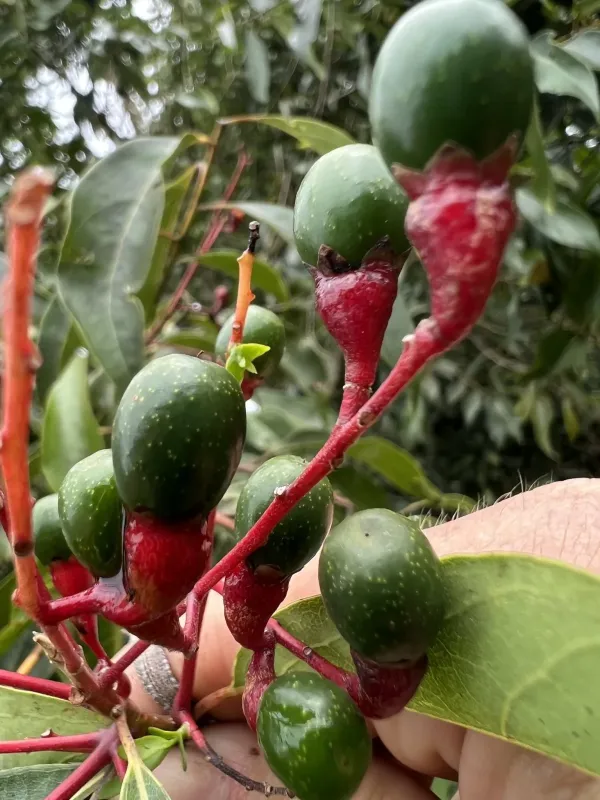
Description
Sowing dates
Aiouea montana is a notable member of the Lauraceae family, originating from the diverse tropical ecosystems of South America. This evergreen tree species is adapted to high-moisture environments typical of mountainous tropical forests.
The propagation of this crop requires fresh seed material, as the seeds lose viability quickly after ripening. Sowing should ideally occur in well-drained, nutrient-rich potting media to facilitate initial germination.
Constant warm temperatures, ranging between 25 and 28 degrees Celsius, are required to stimulate the germination process. High humidity levels must be maintained in the seedling nursery to ensure success.
Seedlings develop slowly, requiring a stable environment for several months before they are robust enough for transplantation. Careful handling of the root ball is essential during any transplanting process.
Initial growth should be sheltered from direct tropical sunlight, as the young leaves are prone to photo-inhibition. Gradual exposure to moderate light is key to developing a healthy, resilient plant structure.
Growing requirements
This species thrives in areas with consistent tropical rainfall and does not tolerate long dry seasons. Irrigation systems must provide a steady supply of moisture to the root zone without causing waterlogging.
Soil composition is critical; the tree prefers acidic to neutral, highly porous soils. Organic matter enrichment through mulching helps maintain the necessary soil structure and nutrient levels for healthy growth.
Climatic requirements strictly exclude frost, as Aiouea montana is sensitive to any temperature drops below 15 degrees Celsius. Wind protection is also necessary to prevent structural damage to the crown.
Maintenance of canopy structure is important, as the plant responds well to gentle pruning. This practice helps to improve air circulation within the tree, which is essential for disease prevention.
Overall management focuses on mimicking natural forest conditions, including providing adequate shade in the early stages and maintaining stable soil moisture levels throughout the growing season.
Main diseases and pests
The primary threats include root rot pathogens, specifically from the Phytophthora genus, which thrive in poorly drained soils. Preventing soil saturation is the most effective defense strategy.
Insect pests such as scale insects and spider mites are common in greenhouse environments. These pests primarily affect the underside of leaves and young stems, requiring constant monitoring.
Fungal infections of the foliage can occur if the humidity is excessive and airflow is insufficient. Proper spacing during planting reduces the risk of these infections significantly.
Structural damage from stem-boring insects may occur in older, stressed trees. Regular inspections and timely removal of dead branches can help maintain tree health.
Integrated pest management, prioritizing biological controls and environmental optimization, is recommended to keep the crop healthy without excessive chemical interference.