
Loropetalum
Loropetalum
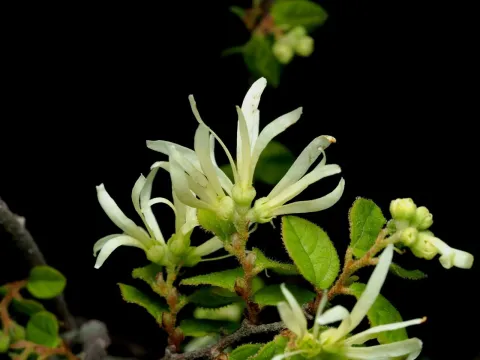
Loropetalum, commonly known as Chinese fringe flower, is a genus within the Hamamelidaceae family. It is prized for its spider-like flowers and ornamental foliage, native to the woodlands of Southern and Eastern Asia.
What the section contains


Loropetalum
The plant thrives in a temperate to subtropical climate. While it can withstand light frosts, it requires protection in colder regions, often being kept in containers or greenhouses where winter temperatures drop significantly.
The agronomic foundation for successful cultivation is acidic soil. Loropetalum is a typical ericaceous plant that demands a pH between 5.5 and 6.5. It performs poorly in alkaline or heavy clay soils that impede drainage.
Light management is essential. Varieties with purple foliage require filtered sunlight to maintain their deep color. In contrast, extreme shade can lead to leggy, sparse growth and reduced flowering intensity.
Consistent moisture is needed, but the soil must never be waterlogged. Mulching with pine needles or acidic bark helps maintain soil moisture levels and keeps the root zone cool during the summer heat.
Root rot caused by Phytophthora species is the primary threat in poorly drained soils. Overwatering, especially during dormant periods, significantly increases the risk of plant loss due to fungal pathogens.
Spider mites represent a major pest issue in indoor or sheltered environments. These tiny arachnids thrive in warm, dry air and can cause leaves to bronze and drop prematurely if left untreated.
Scale insects often cluster on the stems, draining nutrients and weakening the overall vigor of the shrub. Manual removal or application of horticultural oils is recommended for minor infestations.
Chlorosis is a frequent diagnostic problem. When the soil pH rises above the optimal range, the plant loses its ability to absorb iron, leading to pale foliage despite adequate fertilization and watering.
Proper sanitation, including removing fallen leaves and pruning dead wood, is the best strategy for disease prevention. Maintaining airflow through the canopy is critical for preventing fungal foliage infections.