
Loropetalum lanceum
Loropetalum lanceum
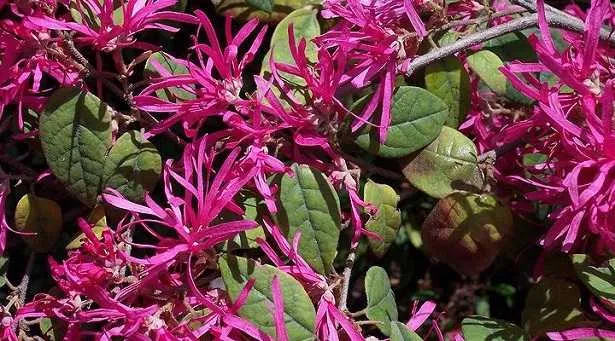
Description
Growing requirements
Loropetalum lanceum is an evergreen shrub or small tree belonging to the Hamamelidaceae family. Native to the subtropical forests of Asia, specifically parts of China, it thrives in environments that provide consistent moisture and protection from extreme temperatures throughout the year.
The plant requires well-drained, fertile soil that is slightly acidic. The presence of organic matter, such as leaf mold or compost, is essential for its development. Heavy clay soils are generally unsuitable unless amended with organic material to improve structure and drainage capabilities.
For optimal growth, this species prefers locations with bright, filtered light or partial shade. In intense sunlight, the foliage may require protection to prevent leaf scorching, especially in regions with high solar radiation or low air humidity during the summer months.
Agricultural management includes regular watering during dry spells to maintain soil moisture consistency. Because the root system is shallow, mulching is highly recommended to protect the roots from heat fluctuations and to suppress competitive weed growth around the base of the shrub.
In terms of landscaping, Loropetalum lanceum is prized for its elegant form and foliage. It is widely used in residential gardens and parks as a specimen plant, a structural element in mixed borders, or as a backdrop for smaller flowering perennials, adding year-round structure to the garden.
Main diseases and pests
The primary health risks to this culture are root rot caused by poor soil drainage and fungal leaf spots caused by excessive humidity with low air movement. Ensuring proper spacing and airflow between plants is the most effective cultural method to prevent these common diseases.
Insects like scale insects and spider mites are potential pests, particularly during hot and dry conditions. Growers should monitor the foliage frequently and implement integrated pest management techniques, such as horticultural oils or insecticidal soaps, if infestations are detected early.