
Loropetalum axillare
Loropetalum axillare
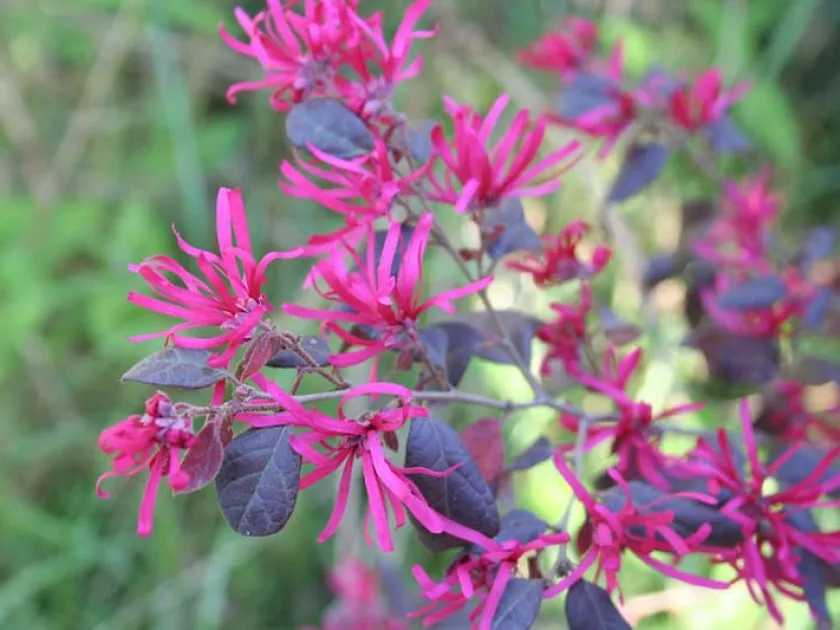
Description
Growing requirements
Loropetalum axillare is an evergreen ornamental shrub belonging to the Hamamelidaceae family. Originating from the forest regions of China and Southeast Asia, this species has adapted to moist, subtropical environments where it thrives as an understory plant.
The cultivation of this species requires well-drained, acidic soil rich in organic matter. Gardeners must prioritize soil aeration, as these plants are highly sensitive to waterlogging, which often results in root suffocation and subsequent decay of the root system.
The plant prefers filtered light or partial shade to protect its foliage from intense solar radiation. It flourishes in moderate temperatures and requires consistent air humidity, making it an excellent candidate for conservatory environments or protected garden zones in temperate regions.
Agronomic management involves periodic fertilization using balanced formulas designed for acid-loving shrubs. Irrigation should be performed using soft, non-alkaline water to prevent substrate alkalization, which typically triggers iron deficiency chlorosis in this genus.
In terms of economic utility, Loropetalum axillare is primarily valued in the horticultural industry. It is widely used in landscape architecture for creating dense hedges, artistic topiary forms, and as a focal ornamental specimen in residential and public garden designs.
Main diseases and pests
The main pathological threats include fungal infections such as powdery mildew, which can occur if the canopy remains wet for extended periods or lacks sufficient ventilation. Furthermore, root rot is a common issue linked to improper drainage management.
Pests that typically affect this crop include spider mites, aphids, and scale insects, especially in greenhouse conditions. Proactive monitoring and the application of integrated pest management practices are essential to maintaining healthy plant vigor.