
Loropetalum subcordatum
Loropetalum subcordatum
Description
Growing requirements
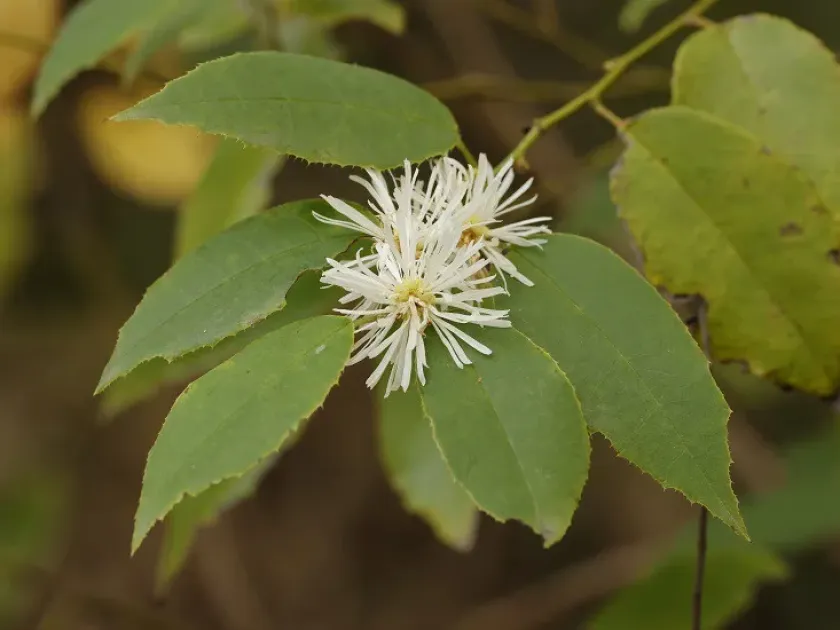
Loropetalum subcordatum is a perennial evergreen shrub belonging to the Hamamelidaceae family, distinguished by its unique leaf structure and decorative form.
Originating from the forest ecosystems of East Asia, this species has adapted to regions with mild temperatures and humid climates, where it thrives in natural understory conditions.
Successful cultivation requires well-draining soil with a slightly acidic profile. Waterlogging must be strictly avoided, as the root system is highly sensitive to hypoxia.
The plant performs best in locations providing partial shade to full sun, depending on local heat intensity, ensuring the soil moisture level is maintained consistently throughout the growing season.
Essential management includes seasonal pruning to maintain shape and the application of organic mulch to regulate soil temperature and conserve moisture around the base.
Main diseases and pests
The primary threats to Loropetalum subcordatum are fungal pathogens associated with excessive soil moisture, which can cause crown and root rot symptoms.
In indoor or greenhouse environments, spider mites represent the most common pest pressure, particularly when relative humidity levels remain below optimal thresholds.
Aphid infestations may occur during the flush of new vegetative growth, requiring early intervention to prevent secondary viral or sooty mold issues.
Good cultural practices, such as proper spacing and cleaning of debris, are critical to minimize the incidence of common diseases found in ornamental shrubs.
Integrated pest management strategies should be applied to manage outbreaks effectively, prioritizing biological control methods when conditions allow.