
Chinese swamp cypress
Glyptostrobus pensilis
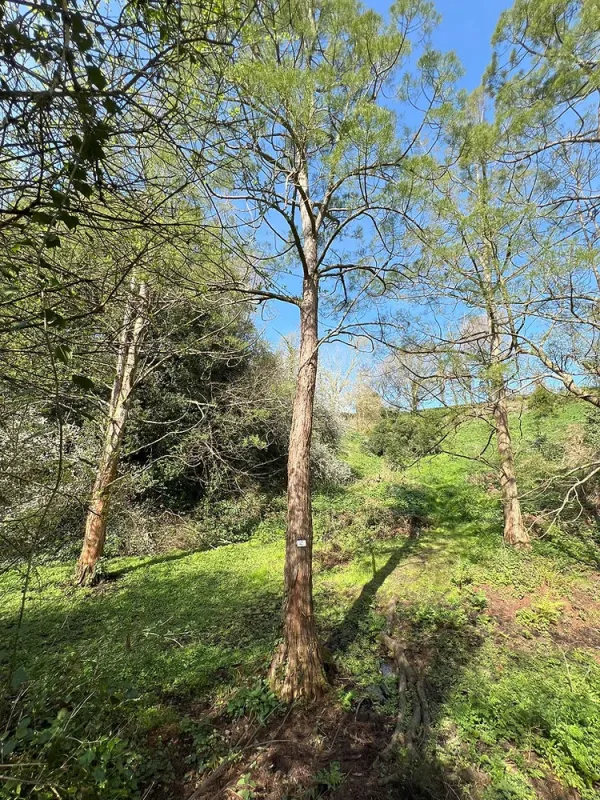
Description
Growing requirements
The Chinese swamp cypress (Glyptostrobus pensilis) is a unique coniferous tree species within the Cupressaceae family. It is native to the subtropical regions of Southern China and Vietnam, where it thrives in naturally wet and swampy environments.
Botanically, it is known for its deciduous needles that turn copper-orange in autumn. The tree is famous for its specialized "knee roots" or pneumatophores, which help the root system breathe in waterlogged, anaerobic soils common in its native habitat.
Regarding climate, this species requires a warm, humid environment with consistent temperatures. It is not cold-hardy and will suffer significant damage or death if exposed to freezing winter conditions, making it suitable only for specific zones.
The soil requirements are strict: the tree performs best in rich, acidic to neutral, constantly saturated soils. In cultivation, it is often planted on the banks of ponds or near slow-moving water sources to mimic its ecological niche.
The economic value of this tree includes its use in landscape architecture for water-feature planting, as well as its historical importance as a timber source known for being exceptionally durable and resistant to decay under wet conditions.
Main diseases and pests
Fungal infections in the root zone are a primary threat, typically caused by poor soil drainage combined with stagnant, cold water temperatures.
Pests such as spider mites and various scale insects may infest the foliage, particularly when the tree is grown in dry or enclosed greenhouse environments.
Deforestation and habitat destruction remain the most significant threats to the wild populations of the Chinese swamp cypress in Southeast Asia.
Inappropriate site selection, such as planting in well-drained, dry upland soils, causes severe stress and failure to develop the necessary pneumatophores.
Lack of proper aeration during winter dormancy can exacerbate the risk of bark diseases, necessitating careful management in controlled nursery settings.