
Juniper hybrid
Juniperus hybrids
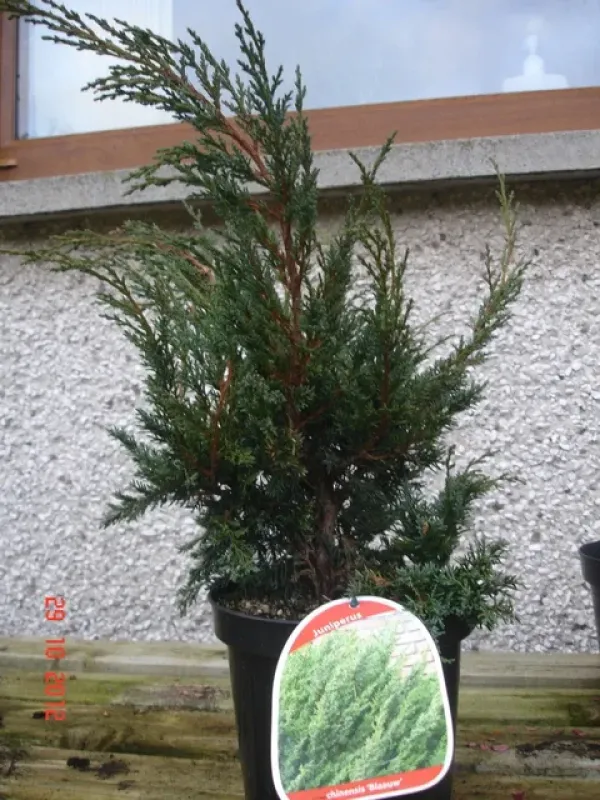
Description
Growing requirements
Juniper hybrid (Juniperus hybrids) is a member of the Cupressaceae family, created through the crossing of various species, typically including savin or intermediate junipers. These plants are prized in agriculture and horticulture for their vigor and diverse aesthetic forms.
These conifers thrive in sunny locations with well-drained, slightly acidic to neutral soils. Proper soil aeration and drainage are crucial, as root systems are highly sensitive to waterlogging and poor soil structure, which can cause stunted growth or death.
Juniper hybrids are known for their climate resilience, often exhibiting high winter hardiness and the ability to withstand urban pollution. This makes them ideal candidates for commercial landscaping and sustainable gardening in diverse geographic zones.
The standard agricultural practices for these plants include deep watering during the establishment phase and annual mulching. Mulch helps preserve soil moisture, regulates temperature, and inhibits weed germination around the base of the plant.
Formative pruning is recommended to maintain the desired size and shape, especially for cultivars used in hedges or ground cover. This should be performed during the dormant season to minimize stress and prevent excessive sap loss.
Main diseases and pests
Rust disease is a significant threat to hybrid junipers, manifesting as bright orange spore-bearing galls on branches. This fungal infection can cause severe disfiguration and weaken the overall vitality of the shrub if left untreated.
Phytophthora root rot is another common issue, often occurring in heavy, poorly draining soils. The disease affects the roots and spreads to the vascular system, resulting in yellowing foliage and eventual branch death.
Pest infestations such as spider mites and scale insects are frequent concerns. These pests feed on the needles, causing yellowing, webbing, or localized browning, which diminishes the ornamental value of the plant.
Integrated pest management strategies involve maintaining plant health through proper spacing and sanitation. Removing dead or diseased foliage immediately helps to reduce the spread of fungal spores and minimizes overwintering sites for pests.
For chemical control, applying broad-spectrum fungicides and specialized acaricides is standard procedure. Treatments should be timed based on environmental conditions and the lifecycle stages of the targeted pathogens or insect pests.